Supporting Savannah’s Historic Port and Coastal Boating Community
Savannah has been a center of maritime commerce for centuries. Located along the Savannah River with direct access to the Atlantic Ocean, the city is home to one of the busiest container ports in the United States while also supporting recreational boating, commercial fishing, marinas, and waterfront businesses. From working tugboats and cargo vessels to pleasure craft and offshore fishing boats, thousands of vessels travel through Savannah’s waterways every year.
With such extensive marine activity, accidents and unexpected vessel emergencies are inevitable. Boats can become grounded, sink after taking on water, suffer mechanical failures, or sustain severe storm damage. Marine salvage professionals provide specialized recovery services that help protect vessel owners, preserve navigational safety, and reduce environmental risks throughout the region.
Marine salvage yards throughout Savannah play a vital role in recovering damaged boats, recycling marine equipment, dismantling aging vessels, and providing environmentally responsible boat disposal solutions.
Recovering Vessels Throughout Savannah’s Rivers, Harbors, and Coastal Waters
Savannah offers a unique combination of inland waterways, tidal rivers, commercial shipping channels, and Atlantic Ocean access. Every recovery project requires an understanding of changing tides, strong currents, and active commercial marine traffic.
Marine salvage operations commonly occur throughout:
- Savannah River
- Port of Savannah
- Intracoastal Waterway
- Wilmington River
- Herb River
- Skidaway River
- Wassaw Sound
- Tybee Island waterways
- Atlantic Ocean offshore waters
- Local marinas and boatyards
Each location presents different challenges involving vessel size, accessibility, tides, weather conditions, and navigation.
Commercial Shipping and Recreational Boating Share Savannah’s Waterways
The Port of Savannah handles millions of tons of cargo every year while recreational boaters enjoy nearby rivers, sounds, and coastal waters.
Marine salvage companies routinely respond to incidents involving:
- Commercial workboats
- Recreational fishing boats
- Sailboats
- Cabin cruisers
- Center console boats
- Personal watercraft
- Barges
- Tugboats
- Marina vessels
- Offshore fishing boats
Recovery professionals must safely perform operations while minimizing disruptions to commercial shipping and local boating activities.
Common Reasons Boat Owners Need Marine Salvage Services
Even experienced boat owners occasionally experience emergencies that require professional assistance.
Marine salvage providers frequently assist with:
- Sunken boats
- Grounded vessels
- Mechanical failures
- Vessel collisions
- Docking accidents
- Storm-damaged boats
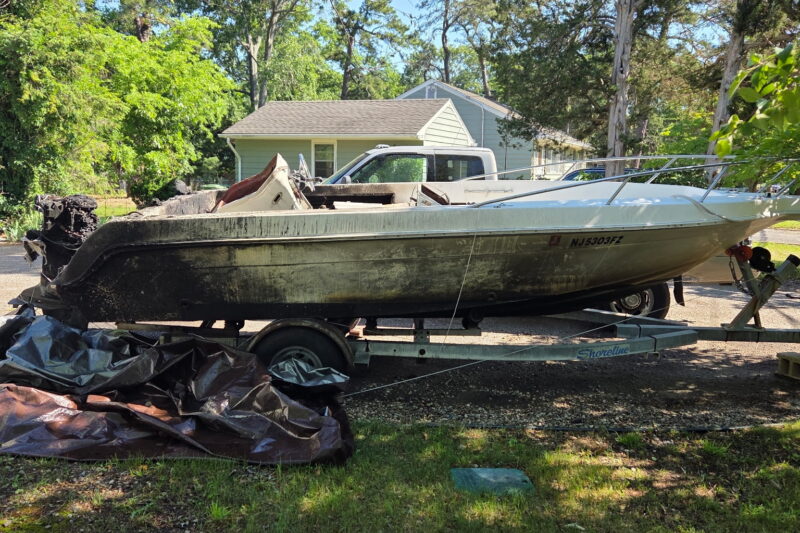
- Fire-damaged vessels
- Disabled offshore boats
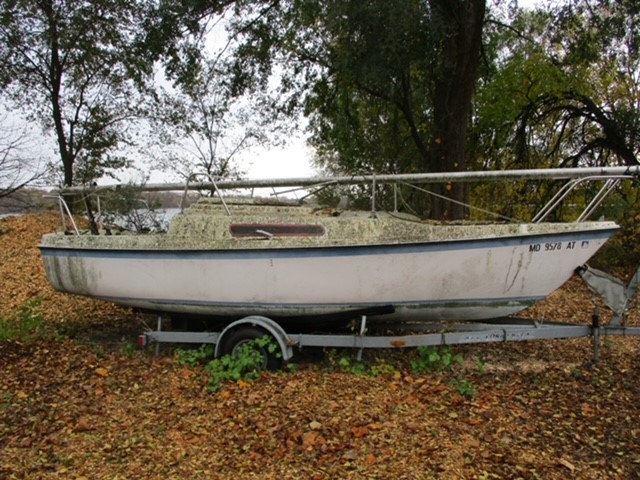
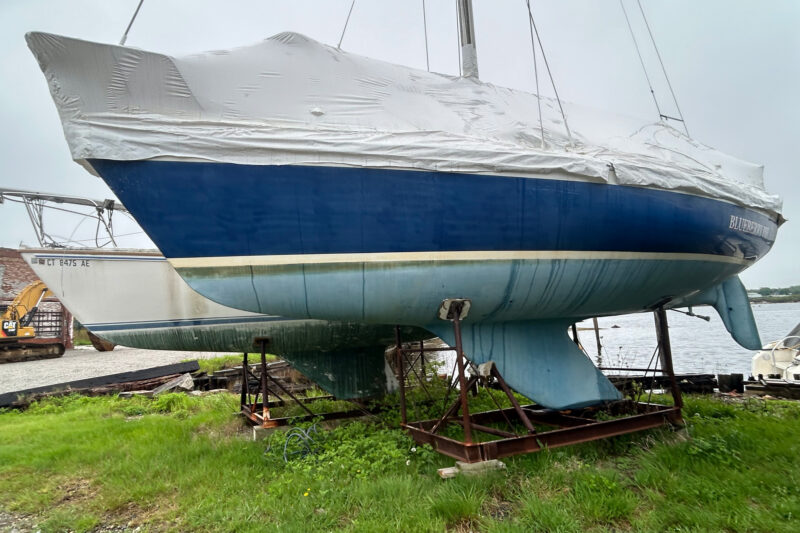
- Abandoned boats
- Derelict vessel removal
Prompt recovery often helps reduce repair costs while protecting nearby vessels and waterfront infrastructure.
Why Rapid Boat Recovery Can Reduce Long-Term Damage
Time is one of the most important factors following a marine emergency. Water intrusion, corrosion, shifting tides, and changing weather conditions can quickly worsen vessel damage.
Marine salvage crews focus on:
- Stabilizing damaged vessels
- Removing excess water
- Preventing additional flooding
- Securing drifting boats
- Protecting nearby docks
- Reducing environmental risks
Quick response can often preserve valuable marine equipment and improve the chances of repairing the vessel.
Every Marine Recovery Begins With a Thorough Inspection
No two marine salvage projects are identical. Before equipment arrives, recovery specialists evaluate both the vessel and surrounding environment.
Important considerations include:
- Vessel size
- Hull construction
- Structural damage
- Water depth
- Accessibility
- Tidal conditions
- Weather forecasts
- Environmental concerns
A careful assessment allows recovery crews to develop the safest and most efficient recovery plan.
Navigating Recovery Projects Near the Port of Savannah
The Port of Savannah is one of the busiest cargo ports in North America. Marine salvage operations near commercial terminals require careful coordination and extensive planning.
Recovery teams often work alongside:
- Georgia Ports Authority
- Harbor pilots
- Coast Guard personnel
- Commercial shipping companies
- Marina operators
- Environmental agencies
Experienced marine salvage professionals understand how to complete recoveries while maintaining safe navigation for commercial traffic.
What Happens After a Vessel Has Been Recovered?
Removing a damaged boat from the water is only one stage of the salvage process. Many vessels require additional inspections and processing before owners can determine their next steps.
Post-recovery services often include:
- Damage documentation
- Insurance inspections
- Temporary storage
- Mechanical evaluations
- Structural assessments
- Equipment removal
- Disposal planning
Marine salvage yards provide secure facilities where these services can be completed efficiently.
How Marine Salvage Yards Process Damaged Boats
Marine salvage yards specialize in handling vessels that have sustained significant damage or reached the end of their useful life.
Depending on the condition of the vessel, services may include:
- Salvage evaluations
- Marine equipment recovery
- Boat dismantling
- Metal recycling
- Hazardous material removal
- Responsible vessel disposal
These services help maximize recoverable materials while minimizing environmental impacts.
Recovering Valuable Marine Equipment Before Disposal
Even boats that cannot be repaired often contain expensive marine equipment that remains functional.
Marine salvage yards commonly recover:
- Outboard engines
- Diesel engines
- Propellers
- GPS systems
- Marine electronics
- Anchors
- Stainless steel hardware
- Marine generators
Recovering reusable components helps reduce waste while supporting local boat owners and marine repair facilities.
Specialized Equipment Supports Successful Recovery Operations
Marine salvage projects often require equipment specifically designed for marine environments.
Recovery professionals commonly use:
- Towboats
- Crane barges
- Hydraulic pumps
- Inflatable lift bags
- Heavy-duty winches
- Recovery vessels
- Pollution containment equipment
- Specialized rigging systems
Each recovery plan is tailored to the vessel and surrounding conditions.
Commercial Divers Assist With Underwater Recovery Operations
Many salvage operations require underwater inspections before lifting or towing begins.
Commercial divers perform tasks such as:
- Hull inspections
- Leak detection
- Structural evaluations
- Rigging installation
- Lift bag positioning
- Debris removal
- Underwater photography
Their expertise improves safety while allowing recovery teams to make informed decisions.
Recovering Sunken Boats Requires Careful Planning
Raising a submerged vessel is one of the most technical aspects of marine salvage.
Before recovery begins, crews evaluate:
- Vessel stability
- Structural integrity
- Bottom conditions
- Water depth
- Environmental risks
Recovery methods may include flotation systems, crane-assisted lifting, dewatering procedures, or multiple recovery techniques working together.
Protecting Georgia’s Coastal Waters During Marine Salvage
Savannah’s waterways support commercial shipping, tourism, recreational boating, fisheries, and sensitive coastal ecosystems.
Damaged vessels may release contaminants including:
- Fuel
- Oil
- Hydraulic fluids
- Batteries
- Hazardous chemicals
Marine salvage professionals implement pollution prevention procedures designed to protect Georgia’s rivers, marshes, and coastal waters.
Environmental Protection Remains a Top Priority
Responsible marine salvage extends beyond vessel recovery.
Recovery crews frequently deploy:
- Oil containment booms
- Spill response materials
- Fuel transfer systems
- Pollution control equipment
- Water quality monitoring
These safeguards help preserve local waterways while maintaining compliance with environmental regulations.
Hurricanes and Coastal Storms Increase Recovery Needs
Savannah’s coastal location makes it vulnerable to tropical storms and hurricanes throughout the Atlantic hurricane season.
Storm-related marine emergencies often involve:
- Sunken boats
- Broken dock systems
- Vessel collisions
- Damaged marinas
- Floating debris
- Navigation hazards
Following major storms, marine salvage companies often perform large-scale recovery projects across coastal Georgia.
Refloating Grounded Boats Along Georgia’s Coast
Changing tides, shallow waterways, and coastal shoals make vessel groundings relatively common throughout the Savannah area.
Groundings frequently result from:
- Navigation mistakes
- Mechanical failures
- Low tide conditions
- Shifting sandbars
- Poor visibility
Marine salvage professionals use specialized recovery techniques to safely refloat grounded boats while minimizing additional hull damage.
Marina Accidents Require Precision Recovery Services
Savannah’s marinas accommodate vessels ranging from small recreational boats to large cruising yachts.
Common marina incidents include:
- Docking accidents
- Mooring failures
- Fuel dock collisions
- Storm damage
- Vessel impacts
Recovering boats within confined marina environments requires experienced operators and specialized equipment.
Determining Whether a Vessel Is Repairable
After recovery, vessel owners and insurance adjusters evaluate whether repairs are financially practical.
Key considerations include:
- Structural damage
- Mechanical condition
- Electrical systems
- Water intrusion
- Vessel value
- Estimated repair costs
When repair costs exceed market value, marine salvage yards provide responsible disposal solutions.
Marine Recycling Helps Reduce Waste
Marine salvage yards recover valuable materials whenever possible before disposing of damaged boats.
Common recycling efforts include:
- Metal recovery
- Engine recycling
- Electronics removal
- Boat dismantling
- Fiberglass processing
- Waste management
Responsible recycling reduces landfill waste while supporting sustainable marine practices.
Removing Abandoned Boats From Savannah’s Waterways
Abandoned vessels create problems for marinas, waterfront communities, and commercial navigation.
These boats often become:
- Navigation hazards
- Pollution risks
- Public safety concerns
- Environmental liabilities
- Waterfront eyesores
Marine salvage companies regularly remove abandoned boats and transport them to marine salvage yards for proper recycling or disposal.
Understanding What Affects Marine Salvage Costs
Each marine recovery project is different, making pricing dependent upon several important factors.
These often include:
- Vessel size
- Recovery location
- Water depth
- Equipment requirements
- Diving operations
- Transportation needs
- Environmental protection measures
- Disposal requirements
A professional inspection provides the most accurate estimate for recovery services.
Choose a Savannah Marine Salvage Yard for Professional Vessel Recovery and Disposal
Whether you’re dealing with a sunken fishing boat on the Savannah River, a storm-damaged yacht near Tybee Island, an abandoned vessel at a marina, or a boat that has reached the end of its useful life, working with an experienced marine salvage yard provides peace of mind from start to finish. Professional marine salvage yards offer the equipment, facilities, and expertise needed to recover vessels safely, recycle valuable marine equipment, remove hazardous materials, and dispose of boats responsibly.
If you need boat recovery, marine recycling, abandoned vessel removal, or emergency salvage services anywhere in Savannah or the surrounding Georgia coast, partnering with a trusted marine salvage yard is the best way to ensure the job is completed safely, efficiently, and in compliance with environmental regulations. From emergency response and vessel recovery to dismantling, recycling, and final disposal, Savannah marine salvage yards provide dependable solutions that help keep Georgia’s waterways clean, safe, and open for everyone.