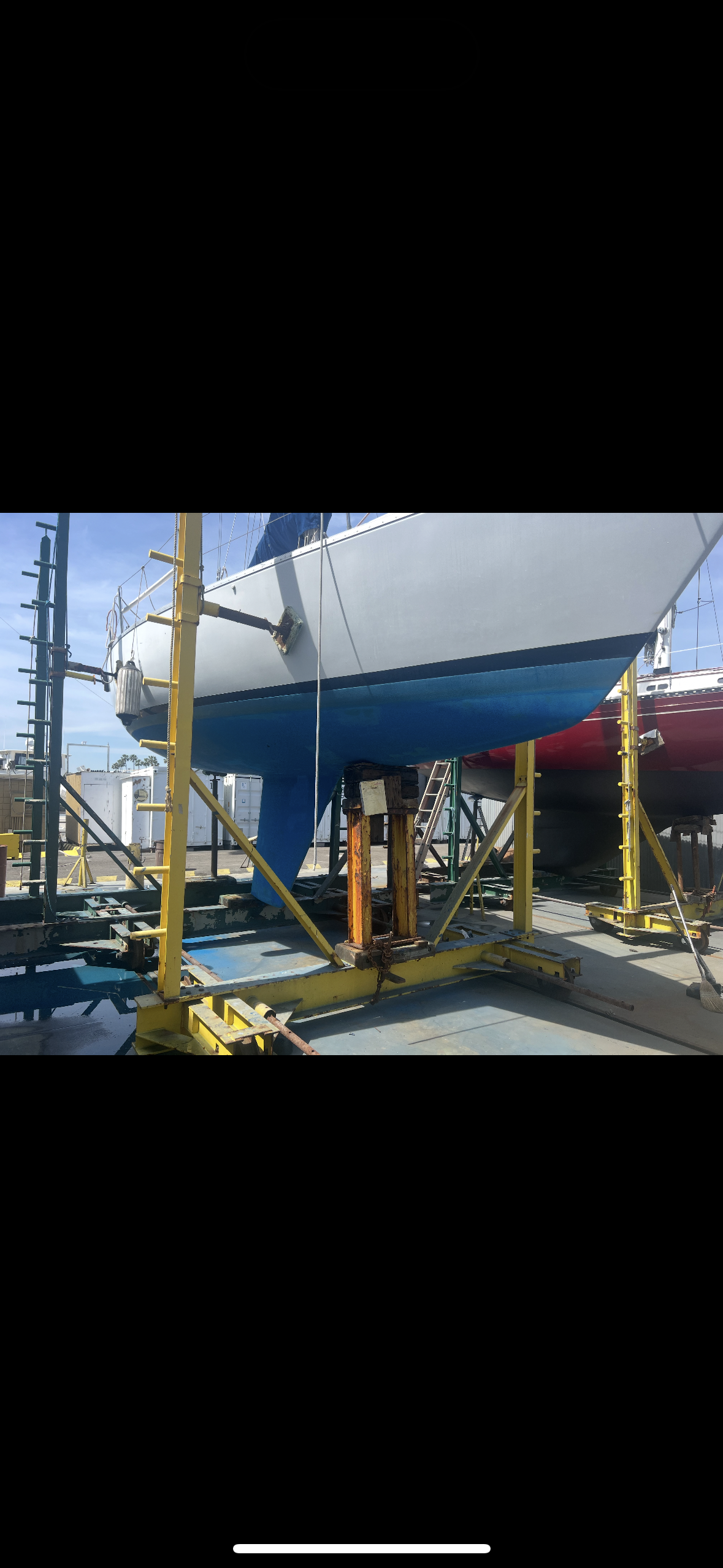
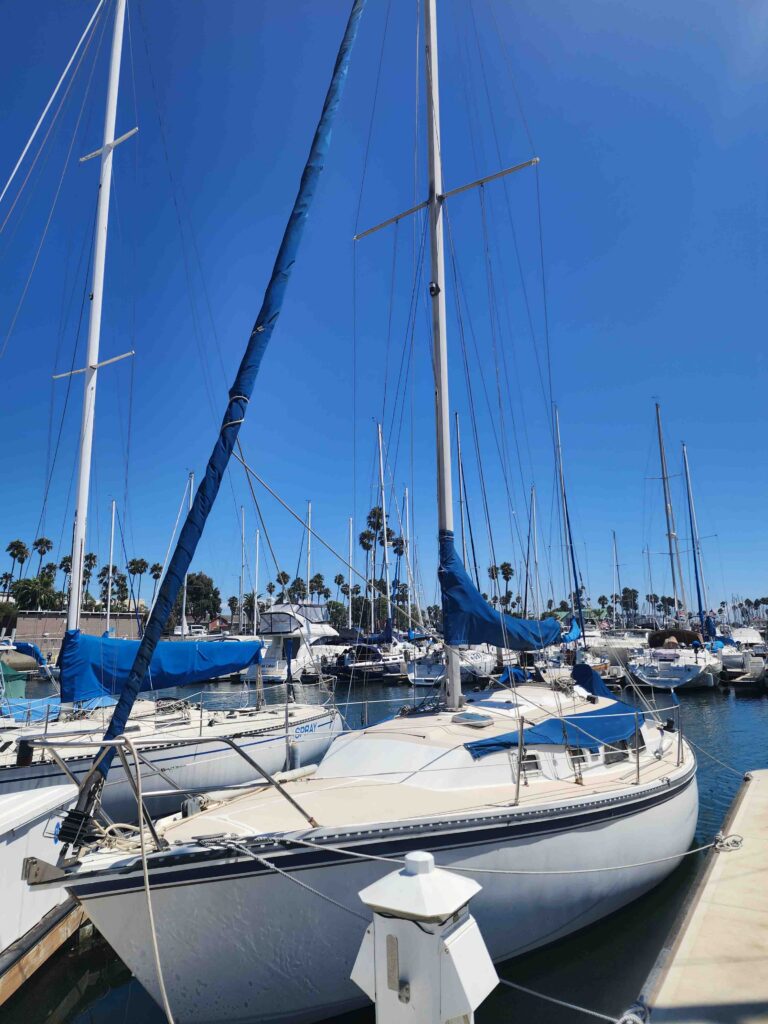
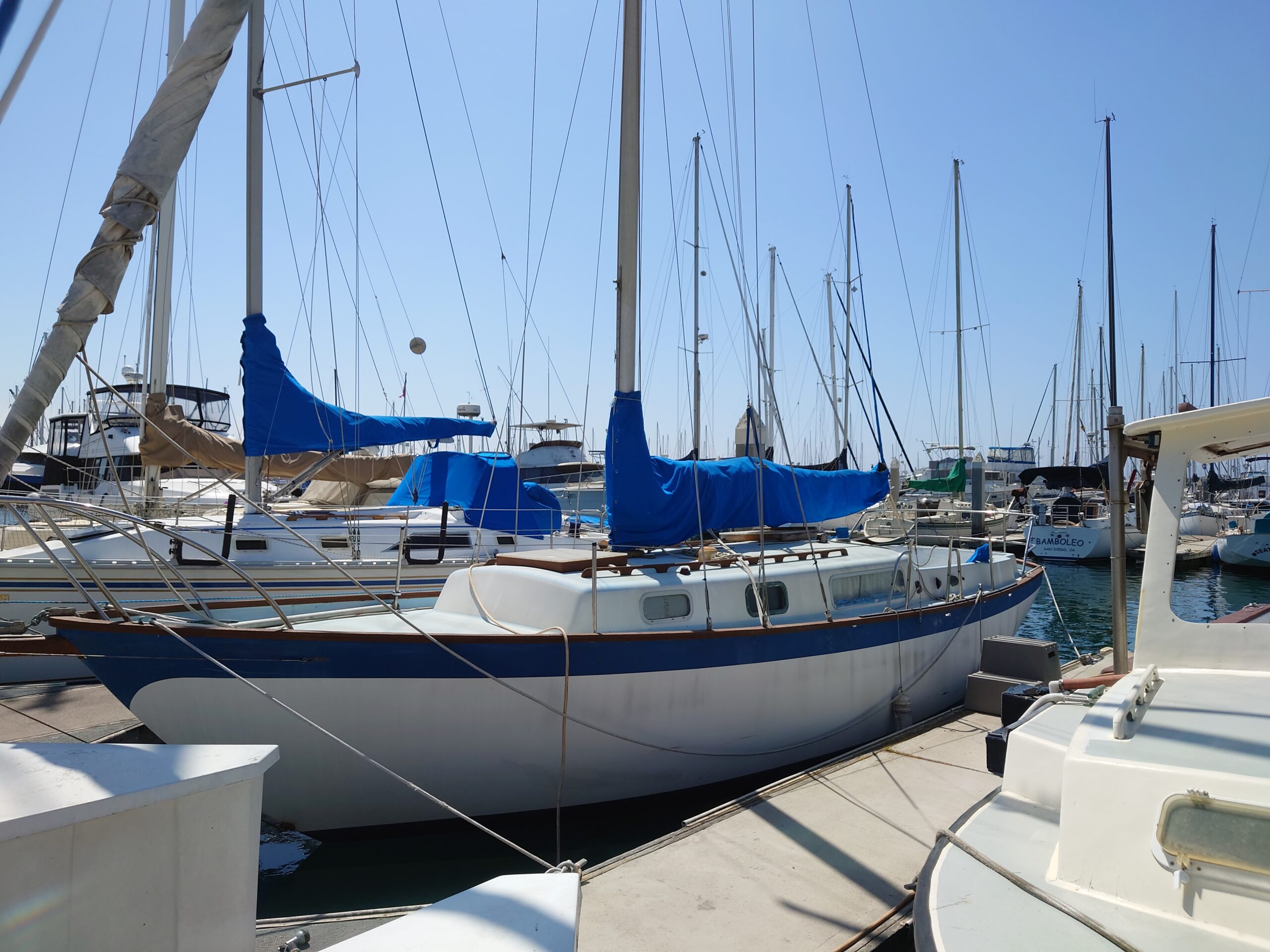
Marine Salvage, Boat Recovery, and Marine Salvage Yards in Long Beach, California
Marine Salvage Services Support Long Beach’s Busy Maritime Community
Long Beach is one of the most significant maritime hubs on the West Coast. Known for its world-class port facilities, thriving recreational boating scene, and extensive waterfront infrastructure, the city sees constant activity on the water throughout the year. From commercial shipping vessels and fishing boats to luxury yachts and recreational watercraft, Long Beach’s waterways support a diverse range of marine traffic that requires ongoing safety, maintenance, and emergency response services.
When vessels become disabled, grounded, damaged, submerged, or abandoned, marine salvage professionals provide the specialized expertise needed to recover them safely. These services help protect property, preserve navigational safety, and minimize environmental impacts that can result from marine accidents.
As boating and maritime commerce continue to grow throughout Southern California, marine salvage companies and marine salvage yards remain an essential part of Long Beach’s marine industry.
Long Beach Offers a Complex Environment for Marine Recovery Operations
Long Beach features a unique combination of commercial ports, marinas, harbors, channels, and offshore waters that create a diverse operating environment for marine salvage professionals.
Marine salvage operations commonly occur in:
- Long Beach Harbor
- Port of Long Beach
- Alamitos Bay
- Rainbow Harbor
- Shoreline Marina
- Queensway Bay
- San Pedro Bay
- Naples Island waterways
- Offshore Pacific waters
- Commercial docking facilities
Each location presents unique operational challenges, requiring recovery crews to carefully evaluate environmental conditions, vessel traffic, and accessibility before beginning recovery efforts.
Vessel Emergencies Can Develop Unexpectedly
Even experienced vessel owners can encounter situations that require immediate assistance. Mechanical failures, navigational errors, weather events, equipment malfunctions, and collisions can occur with little warning.
Marine salvage companies regularly respond to incidents involving:
- Sunken vessels
- Grounded boats
- Disabled yachts
- Marina accidents
- Vessel collisions
- Fire-damaged boats
- Storm-related damage
- Offshore breakdowns
- Abandoned vessels
- Derelict boat removal
Fast response often plays a major role in limiting damage and improving recovery outcomes.
Quick Response Is Often Critical During Marine Emergencies
Marine emergencies rarely improve on their own. A vessel that begins taking on water can quickly become submerged, while an unsecured boat may drift into nearby vessels, docks, or navigation channels.
Upon arrival, marine salvage crews focus on stabilizing the situation and preventing conditions from worsening.
Initial response efforts may include:
- Controlling flooding
- Securing the vessel
- Preventing additional structural damage
- Protecting nearby property
- Containing pollutants
- Establishing safe recovery zones
Rapid intervention often reduces recovery costs and increases the likelihood of preserving the vessel.
Every Recovery Operation Begins With a Comprehensive Assessment
Before recovery work begins, marine salvage professionals perform a detailed evaluation of the vessel and surrounding conditions.
Key factors examined include:
- Vessel size
- Vessel construction
- Water depth
- Damage severity
- Weather conditions
- Accessibility
- Environmental concerns
- Potential hazards
This assessment allows recovery teams to develop a safe and effective recovery strategy tailored to the specific circumstances of the incident.
The Port of Long Beach Requires Specialized Marine Recovery Expertise
The Port of Long Beach is one of the busiest seaports in the world and serves as a critical gateway for international trade.
Marine salvage operations conducted within or near port facilities often require coordination with:
- Port authorities
- Harbor patrol units
- Commercial shipping operators
- Marine terminal managers
- Coast Guard personnel
- Environmental agencies
Because vessel traffic remains active throughout the port, recovery projects must be carefully managed to minimize disruptions while maintaining safety for all waterway users.
Marine Salvage Yards Are a Critical Part of the Recovery Process
Recovering a vessel from the water is only one phase of the overall salvage process. After a damaged boat has been stabilized and transported, additional services may be required before repairs, recycling, or disposal can take place.
Marine salvage yards provide facilities where recovered vessels can undergo:
- Damage evaluations
- Insurance inspections
- Temporary storage
- Equipment removal
- Vessel dismantling
- Recycling services
- Disposal preparation
These facilities help ensure vessels are handled safely and responsibly after recovery operations have been completed.
Marine Salvage Yards Support Boat Owners and Marine Businesses
Marine salvage yards serve a wide range of clients throughout Long Beach and the surrounding Southern California region.
Common customers include:
- Recreational boat owners
- Yacht owners
- Insurance providers
- Marina operators
- Commercial vessel operators
- Government agencies
- Marine contractors
These facilities provide valuable solutions for managing damaged, abandoned, and end-of-life vessels while supporting responsible marine recycling efforts.
Specialized Equipment Is Essential for Successful Marine Salvage
Marine salvage projects often require specialized equipment capable of handling complex recovery scenarios.
Commonly used equipment includes:
- Recovery vessels
- Towboats
- Crane barges
- Lift bags
- Hydraulic pumps
- Winch systems
- Diving equipment
- Pollution containment systems
The equipment selected depends on the size of the vessel, water depth, location, and overall complexity of the recovery operation.
Commercial Divers Play a Key Role During Recovery Projects
Many salvage operations require underwater inspections before recovery work can begin.
Commercial divers perform critical tasks such as:
- Hull inspections
- Damage assessments
- Underwater measurements
- Rigging installation
- Leak identification
- Lift bag placement
- Debris removal
Their expertise provides essential information that helps recovery crews execute operations safely and efficiently.
Recovering Sunken Vessels Requires Detailed Planning
Sunken vessel recovery is among the most technically demanding services performed by marine salvage professionals.
Before lifting operations begin, crews evaluate:
- Vessel stability
- Structural integrity
- Water depth
- Bottom conditions
- Environmental risks
Recovery techniques may include flotation systems, dewatering operations, crane-assisted lifting, or combinations of multiple recovery methods.
Every recovery project must be carefully managed to minimize additional damage and environmental impact.
Environmental Protection Is a Major Focus of Marine Salvage Operations
Long Beach’s coastal waters support commercial activity, recreational boating, tourism, and marine ecosystems that require protection during recovery operations.
Damaged vessels may release:
- Fuel
- Oil
- Hydraulic fluids
- Batteries
- Other hazardous materials
To minimize environmental impacts, marine salvage teams frequently deploy:
- Containment booms
- Spill response equipment
- Fuel recovery systems
- Absorbent materials
- Environmental monitoring procedures
Protecting local waterways remains a central responsibility throughout every salvage project.
Marine Recovery Efforts Help Preserve Southern California’s Coastal Resources
The waters surrounding Long Beach support a variety of marine habitats and recreational resources.
Responsible marine salvage practices help protect:
- Coastal ecosystems
- Marine wildlife
- Public beaches
- Recreational boating areas
- Commercial waterways
By quickly addressing vessel incidents, salvage professionals help reduce long-term environmental impacts while supporting safe marine operations.
Pacific Ocean Conditions Create Additional Recovery Challenges
Long Beach’s location along the Pacific Coast exposes vessels to a variety of offshore conditions.
Recovery crews often contend with:
- Ocean swells
- Strong currents
- High winds
- Limited visibility
- Seasonal storms
- Changing sea conditions
These factors can significantly influence recovery planning and equipment requirements.
Experienced salvage professionals must continuously monitor conditions to ensure safe and successful operations.
Grounded Vessels Are Among the Most Common Recovery Calls
Groundings occur when vessels come into contact with shallow areas, underwater obstructions, or shoreline structures.
Common causes include:
- Navigation mistakes
- Mechanical failures
- Poor visibility
- Weather conditions
- Operator error
A grounded vessel can suffer extensive damage if not addressed promptly. Marine salvage professionals use specialized techniques to safely refloat vessels while minimizing further structural harm.
Marina Accidents Require Precision Recovery Techniques
Long Beach’s marinas accommodate thousands of vessels throughout the year, creating occasional opportunities for accidents.
Common marina incidents include:
- Docking collisions
- Mooring failures
- Fuel dock accidents
- Vessel impacts
- Storm-related damage
Recovering boats within crowded marina environments requires precision equipment and experienced operators capable of working safely around nearby vessels and infrastructure.
Storm-Damaged Vessels Frequently Require Salvage Assistance
While Southern California is not known for hurricanes, seasonal storms can still cause significant vessel damage.
Following severe weather events, salvage crews may be called upon to:
- Recover sunken boats
- Remove navigation hazards
- Relocate displaced vessels
- Clear debris
- Conduct environmental cleanup
Large-scale recovery efforts often require coordination between marinas, insurance companies, government agencies, and marine contractors.
Determining Whether a Vessel Can Be Repaired
Following recovery, vessel owners and insurance representatives must evaluate whether repairs are financially practical.
Factors commonly considered include:
- Structural damage
- Mechanical condition
- Electrical system damage
- Water intrusion
- Vessel value
- Estimated repair costs
While many vessels can be restored successfully, others may be classified as total losses due to extensive damage.
Marine Salvage Yards Provide Responsible Vessel Disposal Solutions
When repairs are no longer feasible, marine salvage yards provide safe and environmentally responsible disposal services.
These services may include:
- Hazardous material removal
- Equipment recovery
- Boat dismantling
- Metal recycling
- Waste management
- Environmental compliance procedures
Proper disposal helps prevent pollution while maximizing the recovery of reusable materials.
Marine Salvage Yards Recover Valuable Marine Equipment
Many damaged vessels contain components that retain value even after a major incident.
Marine salvage yards commonly recover:
- Marine engines
- Propellers
- Navigation electronics
- Fuel systems
- Stainless steel hardware
- Aluminum structures
- Marine accessories
Recycling and reusing these components helps reduce waste while supporting the broader marine industry.
Abandoned Vessel Removal Protects Long Beach Waterways
Abandoned boats can become significant problems for marinas, waterfront property owners, and local agencies.
These vessels often create:
- Navigation hazards
- Pollution risks
- Safety concerns
- Environmental liabilities
- Visual blight
Marine salvage professionals frequently work with local authorities and property owners to remove abandoned vessels and transport them to marine salvage yards for proper processing.
These efforts help maintain safe, attractive, and environmentally responsible waterways.
Marine Salvage Costs Depend on the Scope of Recovery Operations
Every recovery project is unique, and costs can vary significantly depending on the circumstances involved.
Factors influencing marine salvage costs often include:
- Vessel size
- Water depth
- Accessibility
- Recovery complexity
- Equipment requirements
- Diving operations
- Environmental protection measures
- Transportation needs
- Disposal requirements
A detailed assessment helps determine the most effective recovery strategy and provides a clearer understanding of anticipated project costs.
Contact a Long Beach Marine Salvage Yard for Vessel Recovery, Recycling, and Disposal Services
Whether you’re dealing with a sunken boat in Alamitos Bay, storm damage in Long Beach Harbor, an abandoned vessel near a local marina, or a boat that has reached the end of its service life, working with an experienced marine salvage yard can make the process significantly easier. Professional marine salvage yards have the equipment, facilities, and expertise needed to recover vessels, recycle valuable marine components, remove hazardous materials, and dispose of boats in compliance with environmental regulations.
If you need assistance with vessel recovery, boat disposal, abandoned vessel removal, marine equipment recycling, or emergency marine salvage services, partnering with a trusted Long Beach marine salvage yard is one of the most effective ways to protect your investment and ensure the work is completed properly. From emergency response and vessel storage to dismantling, recycling, and environmentally responsible disposal, Long Beach marine salvage yards provide comprehensive solutions that help keep Southern California’s waterways safe, clean, and accessible for years to come.