Why Miami’s Boating Industry Relies on Marine Salvage Professionals
Miami is home to one of the largest recreational boating markets in the world. With thousands of vessels operating throughout Biscayne Bay, the Intracoastal Waterway, the Miami River, and the Atlantic Ocean, marine activity is a daily part of life across South Florida. From luxury yachts and center-console fishing boats to commercial vessels and personal watercraft, Miami’s waterways support an enormous volume of marine traffic throughout the year.
With such extensive activity on the water, accidents, mechanical failures, weather-related incidents, and vessel emergencies are inevitable. Marine salvage professionals provide critical services that help recover damaged boats, remove hazards from local waterways, and protect the marine environment. Their work helps boat owners avoid additional losses while ensuring that Miami’s waterways remain safe and accessible.
As South Florida continues to attract boaters from around the world, marine salvage yards and recovery specialists play an increasingly important role in supporting the region’s maritime economy.
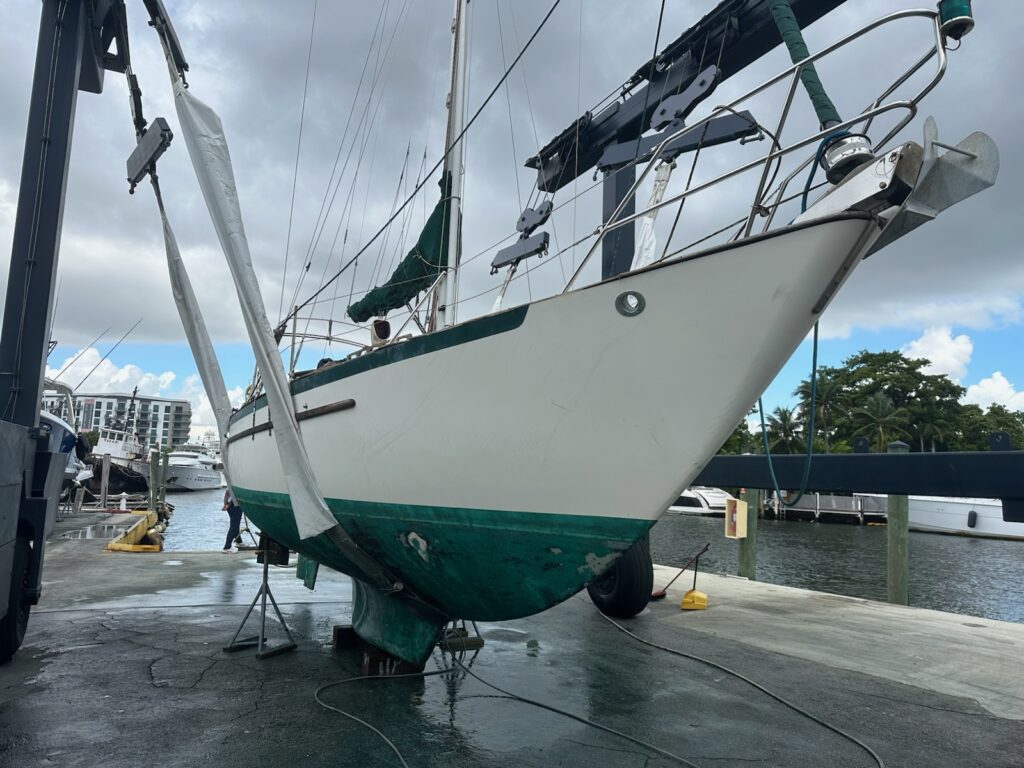
Biscayne Bay Creates a Unique Environment for Marine Recovery Operations
Biscayne Bay serves as the centerpiece of Miami’s boating community. While the bay offers incredible recreational opportunities, it also presents challenges for vessel operators and recovery professionals alike.
Marine salvage operations commonly occur throughout:
- Biscayne Bay
- Government Cut
- PortMiami
- Miami River
- Intracoastal Waterway
- Key Biscayne
- Fisher Island
- Miami Beach marinas
- Haulover Inlet
- Offshore Atlantic waters
The combination of shallow areas, heavy boat traffic, changing weather conditions, and busy navigation channels requires specialized recovery expertise and local knowledge.
Boat Accidents Can Happen Even to Experienced Captains
Owning and operating a vessel carries inherent risks regardless of experience level. Mechanical issues, sudden weather changes, navigational mistakes, and equipment failures can create situations that require immediate professional assistance.
Marine salvage companies throughout Miami regularly respond to incidents involving:
- Grounded vessels
- Sunken boats
- Yacht collisions
- Marina accidents
- Engine failures
- Storm-damaged vessels
- Fire-damaged boats
- Disabled offshore vessels
- Abandoned boats
- Derelict vessel removal
Fast response often makes the difference between a manageable recovery and a costly total loss.
Emergency Boat Recovery Requires Immediate Action
When a vessel begins taking on water or becomes disabled, every minute matters. Delays can result in increased structural damage, environmental contamination, and higher recovery costs.
Marine salvage crews focus on stabilizing the situation immediately upon arrival. Their first objectives often include:
- Controlling flooding
- Securing the vessel
- Preventing further damage
- Protecting nearby boats
- Reducing pollution risks
- Maintaining navigation safety
Prompt intervention can dramatically improve recovery outcomes while minimizing disruption to surrounding waterways.
Every Successful Recovery Starts With a Detailed Assessment
Before any recovery work begins, salvage professionals carefully evaluate the vessel and surrounding conditions.
This assessment typically includes:
- Vessel size and type
- Structural condition
- Water depth
- Accessibility
- Current weather conditions
- Tidal influences
- Environmental concerns
- Nearby hazards
The information gathered during this process helps determine the safest and most efficient recovery strategy.
Miami’s Busy Waterways Demand Experienced Recovery Teams
Few boating destinations in the country experience the level of marine traffic found throughout Miami. Recreational vessels, commercial operators, fishing charters, cruise ships, ferries, and luxury yachts often share the same waterways.
Marine salvage professionals frequently coordinate with:
- Marina operators
- Harbor officials
- Port authorities
- Coast Guard personnel
- Environmental agencies
- Marine contractors
Successful recovery operations require careful planning to maintain safety while minimizing disruptions to other marine activities.
Marine Salvage Yards Are a Critical Part of the Recovery Process
Recovering a vessel from the water is often only the beginning of the salvage process. Once a damaged boat has been stabilized and transported, additional services may be required before repairs, recycling, or disposal can occur.
Marine salvage yards provide facilities designed to handle:
- Vessel storage
- Damage evaluations
- Insurance inspections
- Equipment recovery
- Boat dismantling
- Marine recycling
- Hazardous material removal
These facilities help ensure damaged vessels are managed responsibly while complying with environmental regulations.
How Marine Salvage Yards Handle Damaged and End-of-Life Boats
Not every vessel can be returned to service following a major accident or weather event. Marine salvage yards specialize in processing boats that have sustained severe damage or reached the end of their operational lifespan.
After arriving at a salvage yard, a vessel may undergo:
- Structural inspections
- Equipment removal
- Hazardous material extraction
- Recycling preparation
- Dismantling procedures
- Final disposal processing
This systematic approach helps maximize material recovery while minimizing environmental impact.
Specialized Equipment Makes Modern Marine Salvage Possible
Marine recovery operations require specialized tools and equipment capable of handling a wide variety of situations.
Commonly used equipment includes:
- Recovery vessels
- Towboats
- Crane barges
- Inflatable lift bags
- Hydraulic pumps
- Winching systems
- Commercial diving equipment
- Pollution containment systems
Selecting the proper equipment is essential to conducting safe and efficient recovery operations.
Commercial Divers Play an Important Role During Vessel Recovery
Many marine salvage projects require underwater inspections and hands-on recovery work before a vessel can be safely moved.
Commercial divers often assist with:
- Hull inspections
- Damage assessments
- Underwater rigging
- Leak identification
- Lift bag placement
- Debris removal
- Recovery supervision
Their expertise provides critical information that helps recovery teams make informed decisions throughout the salvage process.
Recovering Sunken Boats Requires Technical Expertise
Raising a submerged vessel is one of the most complex aspects of marine salvage.
Before recovery begins, crews evaluate:
- Structural stability
- Water depth
- Bottom conditions
- Environmental concerns
- Vessel condition
Depending on the circumstances, recovery may involve flotation systems, dewatering operations, crane-assisted lifting, or multiple recovery methods working together.
Every project requires careful planning to avoid additional damage and ensure a safe outcome.
Environmental Protection Is a Major Priority in Miami Waters
Miami’s waterways support marine ecosystems, recreational activities, tourism, and commercial operations that all depend on clean water.
Damaged vessels can release pollutants such as:
- Fuel
- Oil
- Batteries
- Hydraulic fluids
- Hazardous chemicals
Marine salvage professionals implement measures designed to prevent contamination and protect local waterways during recovery operations.
Pollution Prevention Is Part of Responsible Marine Salvage
Environmental protection begins the moment recovery crews arrive at a scene.
Common environmental protection measures include:
- Oil containment booms
- Fuel transfer operations
- Spill response materials
- Pollution containment systems
- Water quality monitoring
These procedures help minimize environmental impacts while ensuring compliance with local, state, and federal regulations.
South Florida Weather Can Create Significant Recovery Challenges
While Miami enjoys favorable boating conditions much of the year, weather remains a major factor in marine salvage operations.
Recovery crews frequently contend with:
- Tropical storms
- Hurricanes
- High winds
- Heavy rainfall
- Rough seas
- Strong currents
Changing conditions can affect vessel stability, diver safety, and recovery timelines, making careful planning essential.
Hurricane Season Brings Increased Demand for Marine Salvage Services
Hurricane season is often the busiest period of the year for marine salvage companies in South Florida.
Following major storms, recovery crews may be tasked with:
- Recovering sunken vessels
- Removing navigation hazards
- Relocating displaced boats
- Clearing marina debris
- Supporting environmental cleanup efforts
Large-scale storm recovery projects often require significant manpower, specialized equipment, and coordination between multiple agencies.
Grounded Boats Are Common Throughout Biscayne Bay
Groundings occur frequently throughout Miami’s waterways due to shallow areas, sandbars, and navigational challenges.
Common causes include:
- Operator error
- Mechanical failures
- Low tides
- Poor visibility
- Unfamiliar waterways
Professional salvage teams utilize specialized recovery techniques designed to safely refloat grounded vessels while minimizing damage.
Marina Accidents Often Require Specialized Recovery Techniques
Miami’s marinas accommodate thousands of vessels throughout the year, making occasional accidents unavoidable.
Common marina incidents include:
- Docking collisions
- Mooring failures
- Fuel dock accidents
- Vessel impacts
- Storm-related damage
Recovering boats within crowded marina environments requires precision equipment and experienced operators.
What Happens After a Vessel Is Declared a Total Loss
Following recovery, vessel owners and insurance representatives must determine whether repairs are financially practical.
Several factors influence this decision:
- Structural damage
- Mechanical condition
- Electrical damage
- Water intrusion
- Vessel value
- Repair costs
When repairs exceed the vessel’s value, disposal through a marine salvage yard often becomes the most practical solution.
Marine Recycling Helps Recover Valuable Equipment and Materials
Many damaged vessels contain components that remain valuable even after a major incident.
Marine salvage yards frequently recover:
- Engines
- Propellers
- Electronics
- Navigation systems
- Aluminum components
- Stainless steel hardware
- Marine accessories
Recycling these materials helps reduce waste while supporting the broader marine industry.
Abandoned Vessel Removal Protects Miami’s Waterways
Abandoned vessels can become significant problems for marinas, waterfront communities, and environmental agencies.
These boats may create:
- Navigation hazards
- Pollution risks
- Safety concerns
- Environmental liabilities
- Waterfront blight
Marine salvage professionals regularly work with property owners and government agencies to remove abandoned vessels and transport them to marine salvage yards for proper processing.
Understanding the Factors That Influence Marine Salvage Costs
Every marine salvage project is unique, making costs highly dependent on the specific circumstances involved.
Factors that commonly affect pricing include:
- Vessel size
- Water depth
- Accessibility
- Recovery complexity
- Equipment requirements
- Diving operations
- Environmental protection measures
- Transportation needs
- Disposal requirements
A professional assessment provides the best understanding of recovery options and anticipated costs.
Contact a Miami Marine Salvage Yard for Recovery, Recycling, and Vessel Disposal Services
Whether you’re dealing with a sunken boat in Biscayne Bay, a storm-damaged yacht near Miami Beach, an abandoned vessel in a marina, or a boat that has reached the end of its useful life, working with an experienced marine salvage yard can simplify the entire process. Professional marine salvage yards have the equipment, facilities, and expertise necessary to recover vessels, recycle valuable marine components, remove hazardous materials, and dispose of boats responsibly.
If you need assistance with boat recovery, vessel disposal, marine recycling, abandoned boat removal, or emergency salvage services in the Miami area, partnering with a trusted marine salvage yard is one of the most effective ways to protect your investment and ensure the work is completed properly. From emergency response and vessel storage to dismantling, recycling, and environmentally compliant disposal, Miami marine salvage yards provide comprehensive solutions that help keep South Florida’s waterways safe, clean, and navigable year-round.