Newport Beach Is More Than a Marina—It’s One of America’s Premier Boating Destinations
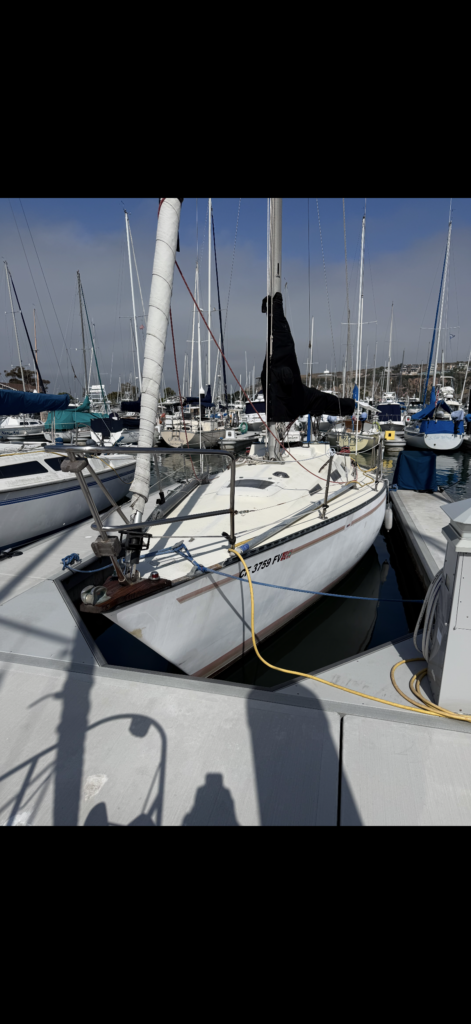
Newport Beach has earned a reputation as one of the finest boating communities in the United States. With its scenic harbor, upscale waterfront neighborhoods, world-famous yacht clubs, and year-round access to the Pacific Ocean, the city attracts everyone from casual boaters and sailing enthusiasts to offshore anglers and luxury yacht owners. Newport Harbor alone is home to thousands of recreational vessels, while nearby marinas and private docks create one of the busiest boating environments anywhere on the West Coast.
Life on the water is part of the city’s identity, but even in a community filled with experienced captains and well-maintained vessels, problems can arise without warning. Mechanical failures, unexpected collisions, submerged hazards, severe weather, and simple equipment malfunctions can quickly turn an enjoyable afternoon into a situation requiring immediate professional assistance. Whether the vessel is a small fishing boat, a family cruiser, a sailboat, or a multi-million-dollar yacht, recovering it safely requires knowledge, planning, and specialized marine equipment.
That is where an experienced marine salvage yard becomes an important part of the process. Recovery crews work to stabilize and retrieve damaged vessels, while marine salvage yards provide secure facilities where boats can be inspected, evaluated, repaired when practical, or dismantled and recycled when they have reached the end of their service life. Together, these services help protect both boat owners and the waterways that make Newport Beach one of California’s premier coastal destinations.
Every Waterway Around Newport Beach Presents a Different Recovery Challenge
At first glance, Newport Beach appears calm and inviting, but beneath the surface lies a complex network of navigation channels, marina slips, residential docks, harbor entrances, and offshore waters that demand experience during any recovery operation.
Inside Newport Harbor, recovery crews often work within confined spaces surrounded by expensive yachts, private docks, and heavy recreational traffic. Maneuvering recovery equipment through these areas requires patience and precision, especially during weekends and peak boating seasons when vessel traffic is at its highest.
Just beyond the harbor entrance, conditions change dramatically. Pacific Ocean swells, changing currents, offshore winds, and busy boating routes toward Catalina Island create entirely different recovery scenarios than those found inside protected harbor waters. Boats operating offshore may drift considerable distances following a mechanical breakdown, making rapid response essential.
Marine salvage professionals regularly perform recovery operations throughout:
- Newport Harbor
- Balboa Peninsula
- Balboa Island
- Lido Isle
- Corona del Mar
- Upper Newport Bay
- Newport Dunes Marina
- Offshore Pacific waters
- Catalina Island boating routes
- Orange County coastal marinas
Because every location presents unique conditions, recovery plans are developed individually rather than relying on a standard approach.
Small Problems Have a Way of Becoming Major Marine Emergencies
One of the biggest misconceptions among boat owners is that marine salvage is only necessary after hurricanes or catastrophic sinkings. In reality, many recoveries begin with problems that initially seem relatively minor.
A failed bilge pump may slowly allow water to accumulate below deck. A damaged cooling hose can lead to engine failure several miles offshore. A vessel that lightly strikes a submerged object might continue operating for a short time before hidden hull damage allows water to enter. Even a simple battery failure can leave a boat drifting into busy navigation channels if weather conditions begin changing.
When these situations aren’t addressed quickly, recovery often becomes significantly more complicated.
Marine Salvage Yards commonly assist with situations involving:
- Boats taking on water
- Grounded vessels
- Docking accidents
- Mechanical failures
- Fire-damaged boats
- Disabled yachts
- Sunken vessels
- Storm-related damage
- Abandoned boats
- Derelict vessel removal
Responding early frequently reduces repair costs while preventing additional damage to the vessel itself.
Successful Recoveries Begin Long Before Equipment Arrives
Many people picture marine salvage as simply attaching cables to a disabled boat and towing it away. Professional recovery work is far more involved.
Before cranes, towboats, or lift bags are ever deployed, recovery specialists carefully evaluate the entire situation. They study the vessel’s construction, estimate its weight, inspect visible damage, determine water depth, evaluate bottom conditions, review tide charts, and identify potential environmental concerns. This planning process helps eliminate unnecessary risks while allowing crews to choose equipment specifically suited to the recovery.
Luxury yachts common throughout Newport Beach require even greater attention. High-end vessels often feature complex propulsion systems, sophisticated navigation electronics, custom interiors, and specialized hull designs that demand careful handling throughout every stage of the recovery process.
Rather than rushing into the operation, experienced recovery professionals focus on minimizing additional damage while creating the safest possible working environment for both personnel and nearby boaters.
Marine Salvage Yards Continue the Recovery After the Boat Leaves the Water
Recovering a vessel from the harbor or offshore waters is only the beginning of its journey. Once safely removed, many boats are transported to a marine salvage yard where a much more detailed evaluation takes place.
Technicians begin by documenting the condition of the vessel for insurance purposes while inspecting the hull, propulsion systems, electrical components, fuel systems, steering equipment, and onboard electronics. These inspections help determine whether repairs remain economically practical or whether dismantling becomes the more responsible option.
For some owners, the assessment brings good news. The vessel may require only limited repairs before returning to service. Others discover that flood damage, structural failures, or extensive corrosion have made restoration financially unrealistic.
When repair is no longer practical, marine salvage yards carefully dismantle the vessel while recovering valuable materials that can continue serving the marine industry. Engines, generators, navigation equipment, stainless steel hardware, anchors, propellers, and many other components may still retain significant value even after a serious marine incident.
Instead of allowing these materials to end up in a landfill, marine recycling helps extend their useful life while reducing waste throughout the boating community.
Protecting Newport Beach Means Protecting Its Waterways
The success of any marine recovery project isn’t measured solely by whether a vessel is removed from the water. It is also measured by how well the surrounding environment is protected throughout the operation.
Newport Harbor and Upper Newport Bay support diverse marine life while serving as popular destinations for recreational boating, kayaking, paddleboarding, fishing, and wildlife observation. A single damaged vessel has the potential to release fuel, engine oil, hydraulic fluid, batteries, cleaning chemicals, and other contaminants into these sensitive waters if recovery work isn’t handled properly.
For that reason, environmental protection is built into nearly every stage of a professional salvage operation. Before major lifting begins, crews often deploy floating containment booms around the vessel, isolate potential fuel leaks, and prepare spill response materials should contaminants escape during recovery. These preventative measures help protect local ecosystems while allowing crews to complete their work safely and responsibly.
The goal isn’t simply recovering a damaged boat—it’s ensuring Newport Beach’s waterways remain clean, navigable, and enjoyable for everyone who depends on them.Modern Recovery Equipment Makes Complex Salvage Projects Possible
Marine recovery operations have evolved significantly over the years. Today’s salvage professionals rely on specialized equipment designed specifically for recovering damaged vessels while minimizing additional stress on the hull and surrounding environment. The equipment selected for each project depends on numerous factors, including the size of the boat, its location, water depth, structural condition, and how long it has remained in the water.
A vessel resting on the bottom of Newport Harbor requires a much different approach than a yacht drifting offshore or a sailboat lodged against a rocky shoreline. Recovery teams evaluate the safest lifting points, determine whether water should be removed before lifting, and carefully monitor the vessel throughout the operation to prevent additional structural damage.
Some of the specialized equipment commonly used during marine recovery includes:
- Crane barges for lifting heavier vessels
- Hydraulic pumps for dewatering flooded compartments
- Inflatable lift bags used beneath submerged boats
- Heavy-duty tow vessels
- Winch and rigging systems
- Pollution containment booms
- Support boats for diver operations
Using the proper equipment not only improves efficiency but also increases safety for everyone involved while reducing the likelihood of secondary damage.
Commercial Divers Play a Critical Role Below the Surface
Many of the most important parts of a salvage operation take place where they can’t be seen. Before recovery begins, commercial divers frequently enter the water to inspect the vessel and gather information that isn’t visible from above.
Divers examine the condition of the hull, identify structural failures, locate underwater hazards, and determine whether the vessel has settled into mud, sand, or rocky bottom conditions. They also install lifting slings, position flotation equipment, recover loose debris, and verify that recovery plans remain safe as conditions change.
Their work provides valuable information that allows recovery crews to make informed decisions rather than relying on assumptions. Particularly in busy waterways like Newport Harbor, underwater inspections help reduce unnecessary risks while ensuring recovery operations proceed according to plan.
Storm Damage Isn’t Limited to Hurricane Season
Southern California enjoys relatively mild weather compared to many coastal regions, but Newport Beach is far from immune to severe marine conditions. Winter storms, heavy surf, strong winds, king tides, and unexpected Pacific swells can all create dangerous situations for vessels operating along the coast.
Strong weather systems may damage docks, break mooring lines, or force boats into seawalls and neighboring vessels. Even boats that remain secured during a storm can suffer water intrusion or structural damage from prolonged wave action.
After significant weather events, marine salvage professionals often assist marina operators, insurance companies, and individual boat owners with recovering damaged vessels, removing navigation hazards, and transporting boats to marine salvage yards for further evaluation. Quick action following a storm helps restore marina operations while preventing damaged vessels from becoming environmental concerns.
Responsible Boat Recycling Benefits the Entire Marine Industry
When a vessel reaches the end of its useful life, disposal involves far more than simply cutting it apart. Modern marine salvage yards focus on recovering as many reusable materials as possible before dismantling the remaining structure.
Many damaged boats still contain components with substantial value. Marine engines, fuel tanks, navigation systems, electrical equipment, propellers, anchors, stainless steel hardware, and aluminum components can often be reused after careful inspection and refurbishment. Recycling these materials helps reduce unnecessary waste while making quality replacement parts available to boat owners and repair facilities.
Once reusable equipment has been removed, the remaining materials are processed according to environmental regulations. Hazardous fluids are properly handled, recyclable metals are separated, and disposal methods are selected to minimize environmental impact whenever possible.
This responsible approach allows marine salvage yards to contribute to a more sustainable boating industry while helping preserve California’s coastal resources.
Abandoned Boats Can Become Long-Term Problems
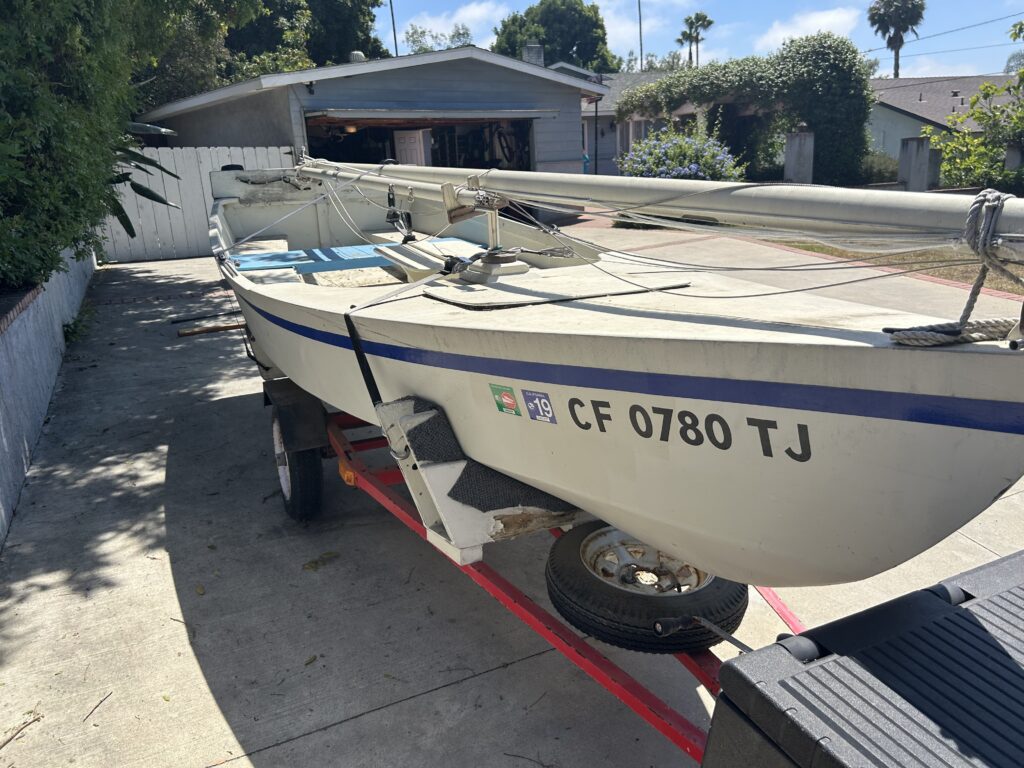
Not every vessel arriving at a marine salvage yard has been involved in an accident. Many boats are simply abandoned after years of neglect, leaving marinas, property owners, and local agencies responsible for addressing the problem.
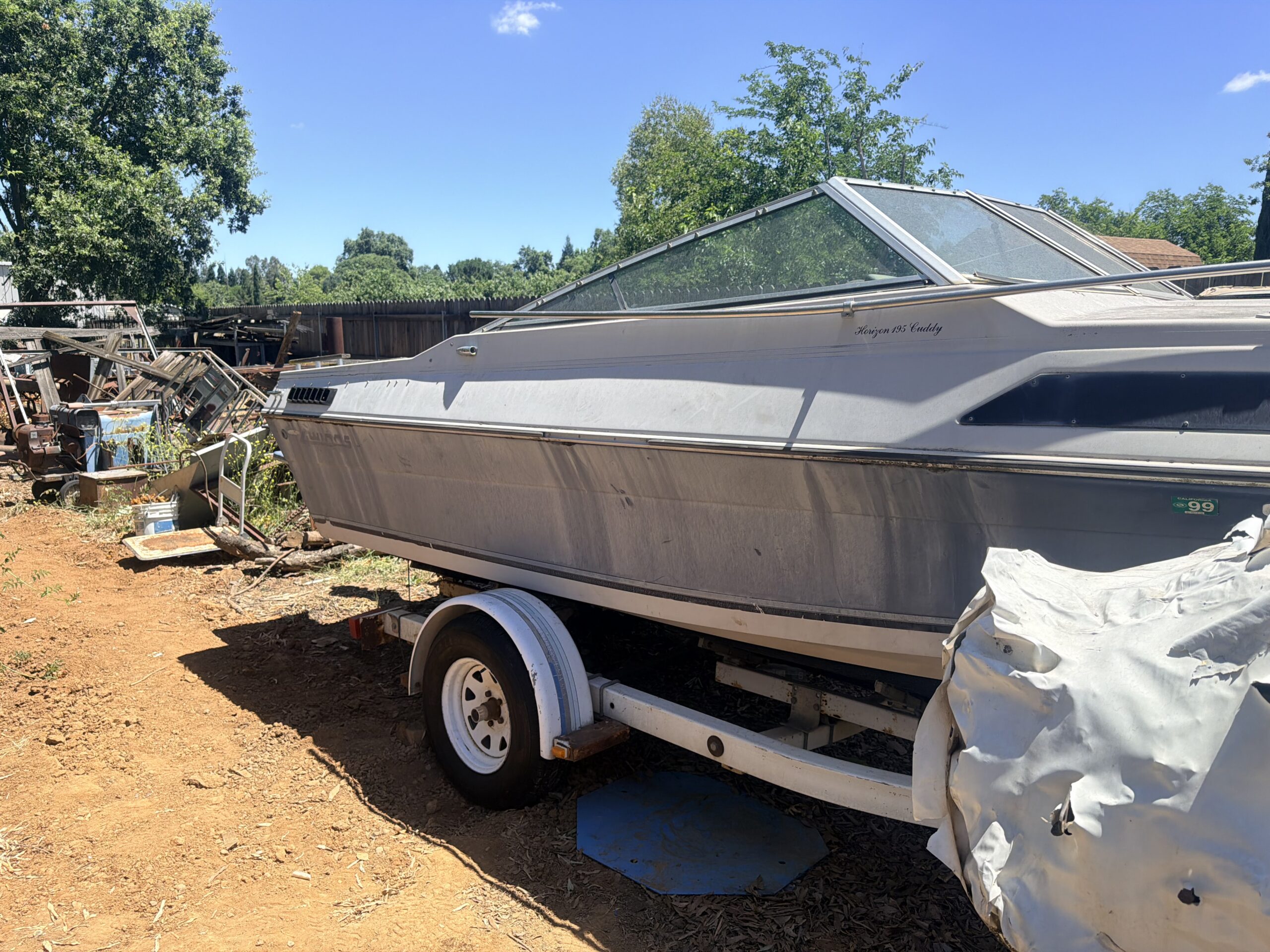
An abandoned vessel may appear harmless at first, but over time it can deteriorate rapidly. Hulls weaken, fuel systems deteriorate, batteries leak, and partially submerged boats become hazards for other boaters navigating nearby waterways.
Marine salvage professionals regularly assist with removing abandoned vessels from Newport Harbor, surrounding marinas, and Orange County waterways. Once recovered, these boats are transported to a marine salvage yard where they can be evaluated, dismantled, recycled, or disposed of responsibly before creating additional environmental or navigational concerns.
Removing derelict boats not only improves safety but also helps preserve the appearance and usability of one of California’s most recognizable boating destinations.
Understanding What Influences Marine Salvage Costs
No two recovery projects are identical, which means pricing varies depending on the circumstances surrounding each incident. While many boat owners naturally want a quick estimate, experienced recovery companies typically begin with a site inspection before recommending the most appropriate solution.
Several factors influence the complexity of a salvage operation, including vessel size, location, accessibility, water depth, weather conditions, structural damage, and the amount of specialized equipment required. A boat resting in a marina slip may require a relatively straightforward recovery, while a partially submerged yacht several miles offshore demands a far more extensive operation involving multiple crews and support vessels.
Transportation to a marine salvage yard, environmental protection measures, commercial diving services, and disposal requirements can also affect the overall scope of the project. Because every recovery presents different challenges, a professional assessment remains the most accurate way to understand available options and expected costs.Choosing a Newport Beach Marine Salvage Yard With Confidence
When something goes wrong on the water, experience matters. Recovering a damaged vessel involves much more than lifting it out of the harbor—it requires careful planning, specialized equipment, environmental awareness, and a thorough understanding of how boats are constructed and transported.
Whether your vessel has suffered storm damage, run aground near the harbor entrance, sunk at a marina, or simply reached the end of its useful life, working with an established marine salvage yard helps simplify every stage of the process. From emergency response and underwater recovery to insurance documentation, recycling, dismantling, and environmentally responsible disposal, experienced professionals can guide owners through what is often an overwhelming situation.