Supporting Pensacola’s Deep Maritime Tradition
Pensacola has long been recognized as one of Florida’s most important coastal communities. Located along the Gulf Coast and known for its strong ties to the maritime industry, military operations, commercial fishing, and recreational boating, the city maintains a constant connection to the water. From Pensacola Bay and Escambia Bay to the Gulf of Mexico and surrounding waterways, thousands of vessels operate throughout the region every year.
With such extensive marine activity, accidents, mechanical failures, weather-related incidents, and vessel emergencies are unavoidable. When boats become damaged, disabled, grounded, submerged, or abandoned, marine salvage professionals provide the expertise and equipment needed to recover vessels safely while protecting local waterways.
Marine salvage yards play an important role in helping boat owners, marinas, businesses, and government agencies manage vessel recovery, recycling, and disposal projects throughout Northwest Florida.
Recovering Boats Throughout Pensacola Bay and Gulf Coast Waters
Pensacola offers a diverse marine environment that requires recovery professionals to operate in a variety of conditions. Salvage operations may take place in sheltered bays, busy marinas, commercial waterways, offshore fishing grounds, or open Gulf waters.
Common recovery locations include:
- Pensacola Bay
- Escambia Bay
- Santa Rosa Sound
- Big Lagoon
- Perdido Bay
- Gulf of Mexico waters
- Pensacola Pass
- Bayou Chico
- Bayou Texar
- Local marinas and waterfront facilities
Each location presents unique challenges involving tides, currents, weather conditions, vessel traffic, and accessibility.
Common Causes of Marine Emergencies Along the Gulf Coast
Boating incidents can occur even when vessels are properly maintained and operated by experienced captains. Unexpected circumstances often create situations that require professional assistance.
Marine salvage companies frequently respond to:
- Grounded boats
- Sunken vessels
- Vessel collisions
- Marina accidents
- Mechanical failures
- Storm damage
- Fire-damaged boats
- Disabled offshore vessels
- Abandoned watercraft
- Derelict vessel removal projects
Regardless of the cause, prompt response often helps reduce overall damage and recovery costs.
Why Fast Vessel Recovery Matters
Time is often one of the most important factors during a marine emergency. A vessel taking on water may become fully submerged within hours, while a drifting boat can pose serious risks to nearby vessels, docks, and navigation routes.
Marine salvage crews focus on stabilizing the situation as quickly as possible.
Immediate priorities often include:
- Controlling flooding
- Securing the vessel
- Preventing further damage
- Protecting nearby property
- Reducing environmental risks
- Maintaining safe navigation
Quick action can significantly improve recovery outcomes while helping preserve valuable marine assets.
Evaluating Damaged Vessels Before Recovery Begins
Every recovery project starts with a detailed assessment of the vessel and surrounding conditions. Marine salvage professionals gather critical information before selecting equipment and recovery methods.
Important considerations include:
- Vessel size
- Vessel construction
- Structural condition
- Water depth
- Accessibility
- Weather forecasts
- Environmental concerns
- Nearby hazards
A thorough evaluation helps ensure the recovery operation proceeds safely and efficiently.
Navigating Recovery Projects in Pensacola Bay
Pensacola Bay serves as a major center for recreational boating, military operations, commercial marine activity, and tourism. Recovery operations in this environment require careful planning and coordination.
Marine salvage crews may work alongside:
- Marina operators
- Harbor officials
- Coast Guard personnel
- Naval facilities
- Environmental agencies
- Commercial marine operators
Successfully managing recovery operations in busy waterways requires both local knowledge and technical expertise.
What Happens After a Boat Is Recovered?
Many vessel owners assume the recovery process ends once the boat has been removed from the water. In reality, several important steps often follow the initial salvage operation.
Recovered vessels may require:
- Damage inspections
- Insurance evaluations
- Temporary storage
- Equipment removal
- Structural assessments
- Recycling services
- Disposal planning
Marine salvage yards provide the facilities necessary to manage these post-recovery activities.
How Marine Salvage Yards Process Damaged Watercraft
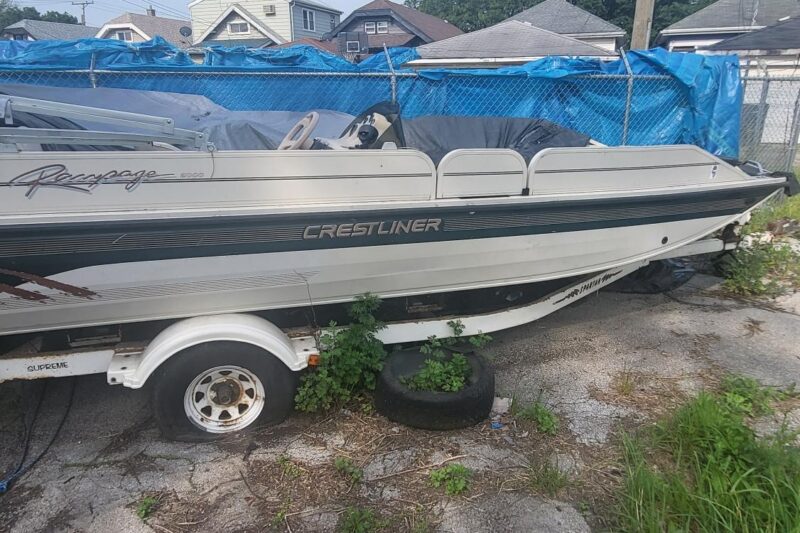
Marine salvage yards play an essential role in handling vessels that have suffered significant damage or reached the end of their service life.
Once a boat arrives at a marine salvage yard, specialists evaluate its condition and determine the most appropriate course of action.
Possible outcomes may include:
- Repairs
- Equipment recovery
- Recycling
- Boat dismantling
- Hazardous material removal
- Final disposal
The goal is to maximize value while minimizing environmental impact.
From Recovery Site to Marine Salvage Yard
Transporting a damaged vessel requires careful planning and specialized equipment. Factors such as vessel size, structural integrity, and transportation distance must all be considered.
Recovery professionals evaluate:
- Towing requirements
- Road transport options
- Safety considerations
- Environmental concerns
- Storage availability
Proper transportation ensures the vessel reaches the marine salvage yard safely for further processing.
Specialized Equipment Used During Marine Recovery Operations
Modern marine salvage projects rely on specialized equipment designed to handle a wide range of recovery scenarios.
Commonly used equipment includes:
- Recovery boats
- Tow vessels
- Crane barges
- Lift bags
- Hydraulic pumps
- Winch systems
- Rigging equipment
- Pollution containment tools
The equipment selected depends on the complexity and requirements of the specific recovery project.
Commercial Diving Services Support Complex Recoveries
Many vessel recovery operations require underwater inspections and hands-on work performed by experienced commercial divers.
Divers frequently assist with:
- Hull inspections
- Structural assessments
- Leak detection
- Rigging installation
- Lift bag placement
- Debris removal
- Underwater surveys
Their expertise allows recovery teams to better understand underwater conditions and vessel damage.
Raising Sunken Boats from Pensacola Waters
Sunken vessel recovery is among the most challenging services performed by marine salvage professionals.
Before recovery begins, crews evaluate:
- Vessel stability
- Structural integrity
- Water depth
- Bottom conditions
- Environmental concerns
Recovery methods may include flotation systems, dewatering operations, crane-assisted lifting, or combinations of multiple techniques.
Every operation must be carefully planned to avoid additional damage and environmental complications.
Protecting Gulf Coast Waters During Salvage Operations
Pensacola’s waterways support recreational boating, tourism, fishing industries, and sensitive marine ecosystems.
When vessels become damaged or submerged, they may release contaminants such as:
- Fuel
- Oil
- Hydraulic fluids
- Batteries
- Hazardous chemicals
Marine salvage professionals implement environmental safeguards designed to reduce contamination and protect local waters.
Preventing Fuel Spills and Environmental Damage
Environmental protection begins immediately after a marine incident occurs.
Recovery crews frequently utilize:
- Oil containment booms
- Spill response materials
- Fuel transfer equipment
- Pollution control systems
- Environmental monitoring procedures
These measures help protect Pensacola Bay and surrounding Gulf Coast waters while ensuring regulatory compliance.
Hurricane Season Creates Additional Recovery Challenges
Pensacola’s location along the Gulf Coast exposes the region to tropical storms and hurricanes that can create widespread marine damage.
Storm-related incidents often involve:
- Sunken vessels
- Broken moorings
- Dock failures
- Vessel collisions
- Floating debris
- Navigation hazards
Following severe weather events, marine salvage providers frequently conduct large-scale recovery operations throughout the area.
Post-Storm Recovery Can Involve Hundreds of Vessels
Major hurricanes can impact marinas, boatyards, and waterfront communities throughout Northwest Florida.
Recovery projects may include:
- Vessel removal
- Marina cleanup
- Debris recovery
- Hazard elimination
- Environmental restoration
- Insurance support services
Marine salvage yards often serve as staging locations for large-scale storm recovery efforts.
Refloating Grounded Boats Along the Gulf Coast
Grounded vessels are among the most common recovery calls received by marine salvage companies.
Contributing factors often include:
- Shallow water
- Sandbars
- Navigation errors
- Mechanical failures
- Poor visibility
- Severe weather
Marine salvage crews use specialized techniques to safely refloat grounded boats while minimizing damage.
Marina Accidents and Dockside Recovery Services
Pensacola’s marinas accommodate thousands of recreational vessels throughout the year.
Common marina incidents include:
- Docking accidents
- Mooring failures
- Fuel dock collisions
- Vessel impacts
- Storm damage
Recovering vessels in crowded marina environments requires precision equipment and experienced operators.
Understanding Total Loss Vessel Evaluations
After a damaged vessel has been recovered, owners and insurance representatives must determine whether repairs are financially practical.
Factors commonly evaluated include:
- Structural damage
- Mechanical condition
- Electrical damage
- Water intrusion
- Vessel value
- Repair costs
In some situations, disposal through a marine salvage yard becomes the most practical option.
Marine Recycling and Sustainable Boat Disposal
Marine salvage yards help reduce waste by recovering valuable materials and recycling vessel components whenever possible.
The disposal process may involve:
- Hazardous material removal
- Equipment recovery
- Boat dismantling
- Metal recycling
- Waste management
- Environmental compliance procedures
Responsible disposal practices benefit both the marine industry and the environment.
Salvaging Valuable Marine Equipment and Components
Many damaged boats contain equipment that remains valuable even after a major incident.
Marine salvage yards frequently recover:
- Engines
- Propellers
- Navigation electronics
- Fuel tanks
- Stainless steel hardware
- Aluminum components
- Marine accessories
Recovering and recycling these materials helps maximize value while reducing waste.
Removing Abandoned and Derelict Boats
Abandoned vessels can create long-term challenges for marinas, waterfront property owners, and local governments.
These boats often become:
- Navigation hazards
- Pollution risks
- Safety concerns
- Environmental liabilities
- Waterfront eyesores
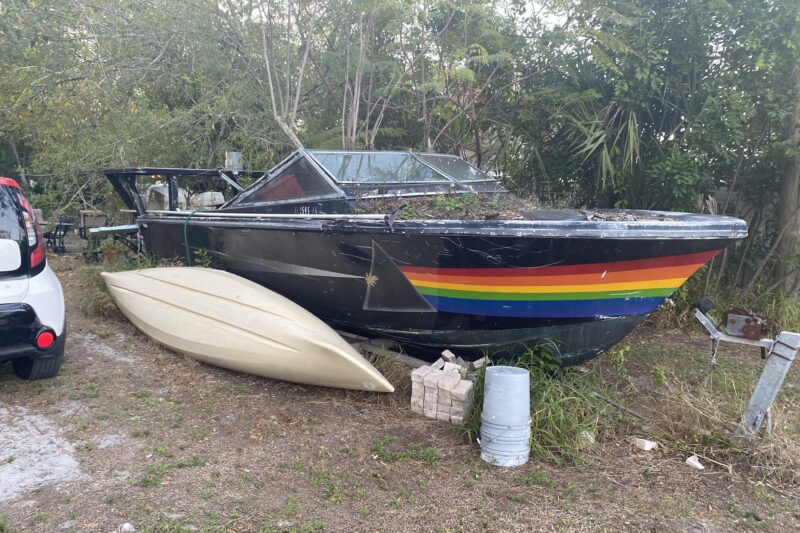
Marine salvage companies regularly assist with abandoned vessel removal and transport boats to marine salvage yards for proper processing.
What Factors Influence Marine Salvage Costs?
Every recovery project is unique, making pricing dependent on numerous factors.
Common considerations include:
- Vessel size
- Water depth
- Accessibility
- Recovery complexity
- Equipment requirements
- Diving operations
- Transportation needs
- Environmental protection measures
- Disposal requirements
A professional assessment provides the most accurate estimate of expected recovery costs.
Choosing a Pensacola Marine Salvage Yard for Recovery and Disposal Services
Whether you’re dealing with a sunken vessel in Pensacola Bay, storm damage along the Gulf Coast, an abandoned boat at a marina, or a vessel that has reached the end of its useful life, working with an experienced marine salvage yard can simplify the entire process. Professional marine salvage yards have the equipment, facilities, and expertise needed to recover vessels, recycle marine components, remove hazardous materials, and dispose of boats responsibly.
If you need assistance with boat recovery, vessel disposal, marine recycling, abandoned vessel removal, or emergency salvage services in the Pensacola area, partnering with a trusted marine salvage yard is one of the best ways to protect your investment and ensure the work is completed properly. From emergency vessel recovery and storage to dismantling, recycling, and environmentally responsible disposal, Pensacola marine salvage yards provide comprehensive solutions that help keep Northwest Florida’s waterways safe, clean, and navigable year-round.