Bay City, Michigan, has a long connection to boating, fishing, and the waterways of the Saginaw Bay region. For local boat owners, however, an aging vessel can eventually become more of a burden than an asset. Engines fail, hulls deteriorate, trailers become unreliable, and repair expenses can make continued ownership impractical. Marine Salvage Yards helps owners explore options for unwanted boats, marine hauling, scrapping, and vessel disposal.
Whether a boat is stored beside a home, sitting in a marina, parked on private property, or occupying space at a commercial facility, getting it removed can require specialized transportation. Even a vessel that no longer runs may be difficult to move because of its size, weight, damaged hull, or deteriorated trailer.
Bay City’s access to the Saginaw River and Saginaw Bay makes recreational boating and fishing familiar activities throughout the region. But seasonal exposure, moisture, and years of storage can take a toll on watercraft. When restoration is no longer financially sensible, arranging boat removal can help owners reclaim valuable space and address an unwanted vessel.
Boat Removal Services for Bay City Property Owners
An unwanted boat can create problems for homeowners, landlords, marina operators, and commercial property managers. A vessel may occupy a driveway or storage area for years after its owner stops using it. Larger boats can be especially difficult to relocate when they are surrounded by buildings, fences, vehicles, or other equipment.
Boat removal requires consideration of the vessel’s dimensions, construction, condition, and accessibility. A small aluminum fishing boat may be relatively straightforward to transport, while a deteriorated fiberglass cruiser or heavy vessel on an unusable trailer can require additional planning.
Marine Salvage Yards helps owners explore removal options for a variety of watercraft, including:
Fishing boats with aging motors or damaged hulls
Fiberglass recreational boats that are no longer economical to repair
Aluminum fishing vessels with structural problems
Older cabin cruisers and powerboats
Sailboats that have become difficult to maintain
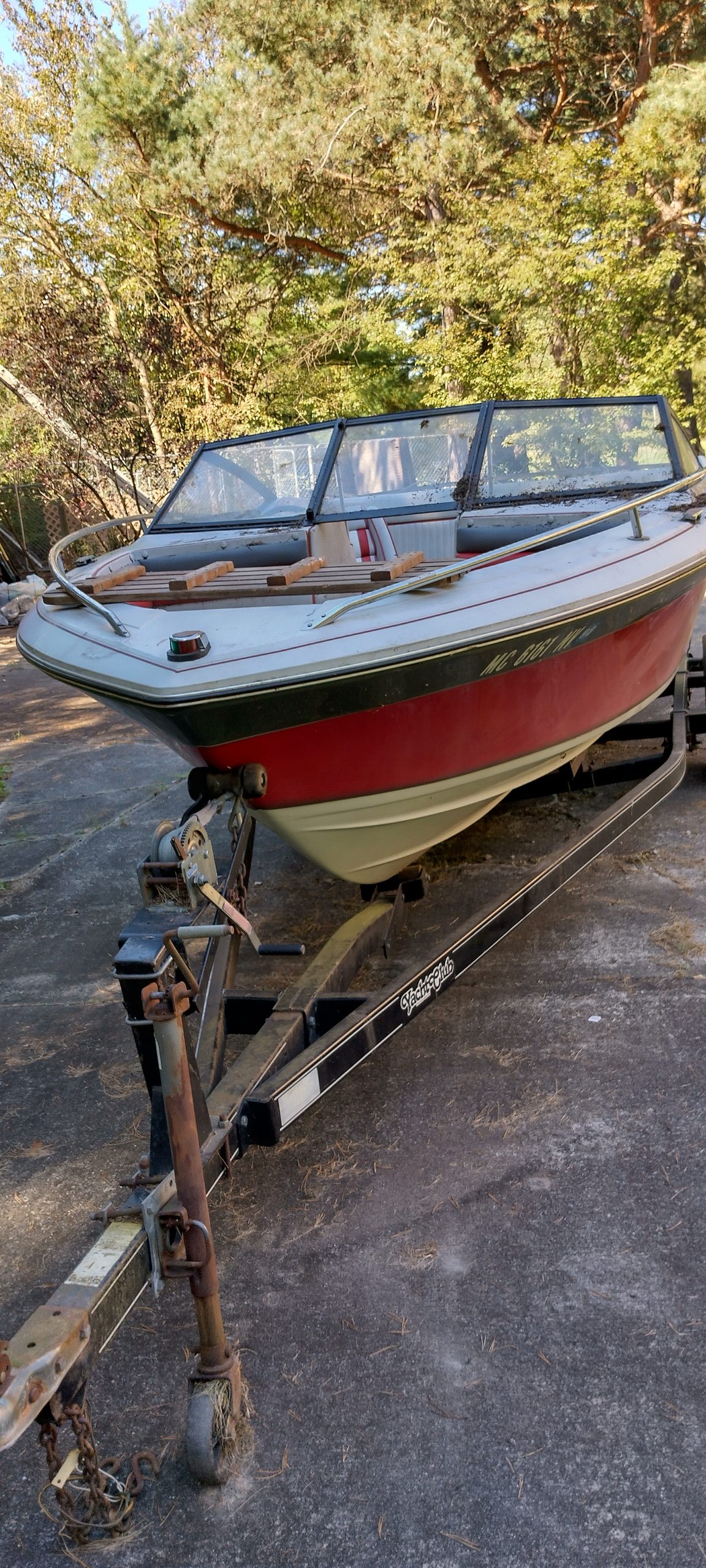
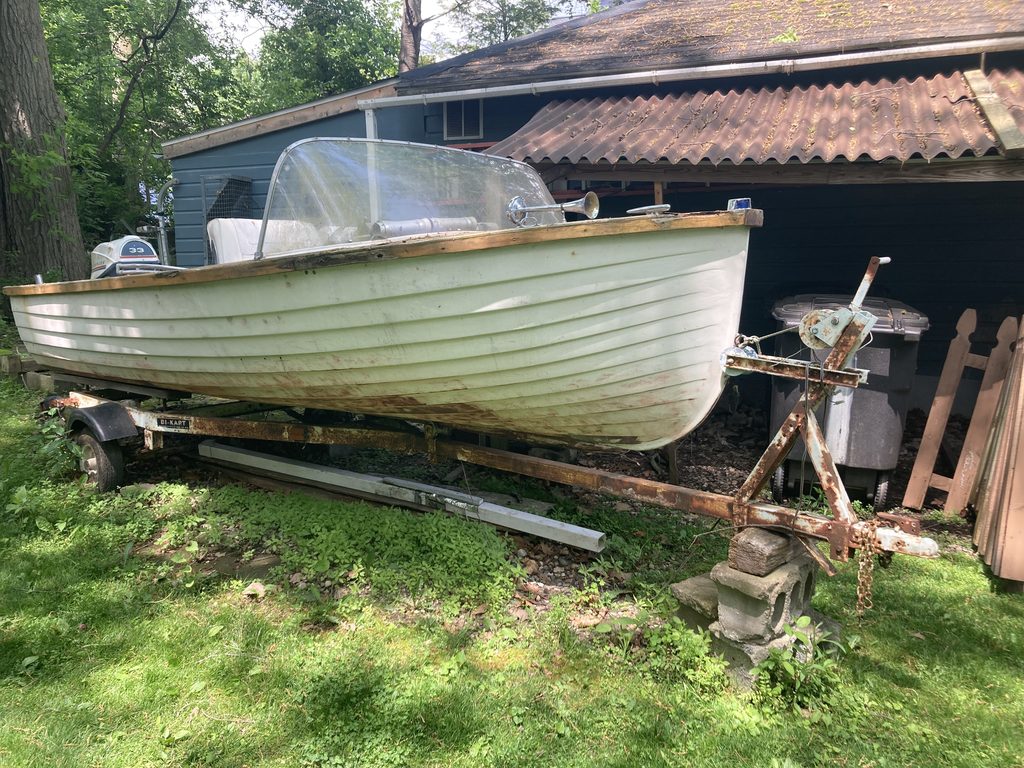
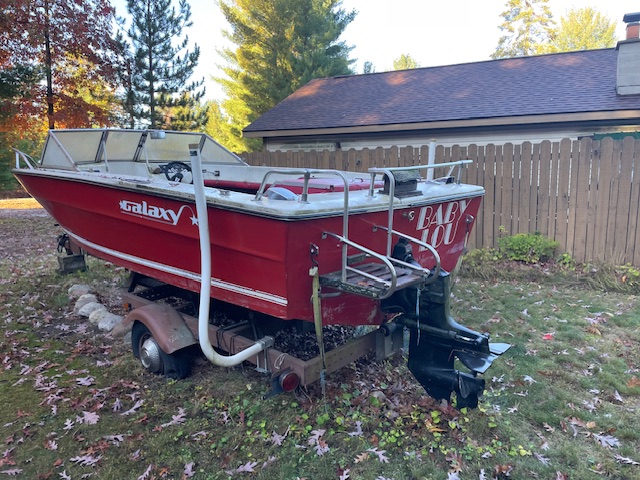
Boats sitting on deteriorated or unusable trailers
Non-running vessels that cannot be conventionally towed
Abandoned watercraft occupying residential or commercial property
The right approach depends on the boat’s size, weight, condition, and pickup location. Providing accurate details at the beginning helps establish what equipment, labor, and transportation arrangements may be necessary.
Saginaw Bay Conditions and the Deterioration of Older Boats
Boats operating around Saginaw Bay and the Saginaw River experience changing seasonal conditions that can gradually affect hulls, engines, electrical systems, and exterior components. Moisture, temperature fluctuations, and extended outdoor storage can contribute to corrosion, worn fittings, and deterioration.
A boat that remains unused for several seasons may develop additional problems. Batteries can fail, engines may seize, trailer tires can deteriorate, and water intrusion can damage interior materials. What initially seemed like a manageable repair project can eventually become an expensive restoration.
For Bay City owners, recognizing when a vessel is no longer worth maintaining can help prevent additional storage and repair expenses. A boat that has become difficult to move may require more extensive removal planning as its condition declines.
Marine Salvage Yards helps connect boat owners with potential hauling, scrapping, and disposal solutions based on the vessel’s circumstances. Evaluating the boat early can help identify a practical way to move forward.
Boat Scrapping When Restoration Is No Longer Practical
Boat repairs can become financially overwhelming when several major components need attention at once. Engine replacement, hull restoration, electrical problems, and deteriorated interiors can quickly increase the cost of bringing an older vessel back into service. When the total investment exceeds the boat’s practical value, scrapping may be worth considering.
Boat scrapping provides an alternative for vessels that are no longer economical to repair. Depending on the boat’s construction and condition, certain metal components, mechanical parts, and other materials may be suitable for salvage or recovery. However, not every boat has positive scrap value, and payment is never guaranteed.
Fiberglass vessels require different disposal considerations from aluminum or steel boats. Damaged fiberglass hulls, mixed construction materials, and deteriorated interiors may require specialized handling. Transportation, labor, loading equipment, and disposal costs also influence the overall arrangement.
For Bay City boat owners, the important step is evaluating the vessel realistically. Continuing to pay for storage and repairs may not make sense when the boat is unlikely to return to dependable service. An assessment can help determine whether hauling, scrapping, or another disposal arrangement is appropriate.
Removing Fishing Boats, Fiberglass Vessels, and Older Cruisers
Different types of boats create different transportation and disposal requirements. A small aluminum fishing boat may be relatively easy to move when it has a functional trailer and accessible pickup location. Larger recreational vessels, damaged fiberglass boats, and older cruisers may require additional planning.
Fishing boats often develop problems with outboard motors, transoms, wiring, steering systems, and hull structures. Fiberglass recreational boats can experience cracks, water intrusion, and deterioration that make restoration too expensive. Larger powerboats may contain additional equipment and onboard systems that need consideration before transportation.
Sailboats can introduce additional handling requirements because of their keels, masts, rigging, and overall dimensions. Commercial-style fishing vessels may also have specialized equipment or construction features that affect the removal plan.
When requesting a removal assessment, provide the following information:
Approximate boat length and type
Hull material, including fiberglass, aluminum, wood, or steel
Engine condition and whether the boat operates
Trailer condition and whether the vessel is currently supported
Pickup location and available access
Known structural damage or mechanical problems
Available ownership and registration documents
Photographs of the hull, trailer, engine area, and surrounding property can help clarify the job. Accurate details make it easier to determine whether conventional hauling is sufficient or specialized equipment may be necessary.
Boat Hauling for Non-Running and Abandoned Watercraft
A boat does not need to operate to be considered for removal. Many unwanted vessels have seized engines, failed steering systems, deteriorated trailers, or tires that are no longer safe for transportation.
When a vessel cannot be moved conventionally, the removal plan must account for loading, lifting, and transporting it safely. A small boat sitting on a usable trailer presents a different challenge from a heavy cruiser resting on unstable supports or positioned in a confined storage area.
Abandoned boats can create additional ownership complications. A vessel may have been left behind by a previous tenant, inherited with a property, or stored on land that has changed ownership. Before arranging removal, confirm that you have the legal authority to dispose of the boat and determine whether ownership records or other documentation are required.
Access conditions also matter. Narrow driveways, overhead obstructions, fences, uneven ground, and limited turning space can affect the equipment needed to reach a vessel. If the hull or trailer appears unstable, avoid attempting to move it using unsuitable equipment.
Providing accurate information about these conditions before scheduling helps establish a realistic removal plan and reduces the possibility of unexpected delays.
Clearing Unwanted Boats From Residential and Commercial Properties
An unused boat can occupy valuable space long after its owner stops using it. Homeowners may want to clear a driveway, yard, or garage, while landlords and property managers may need to remove vessels left behind on private property. Commercial facilities and storage operators can also face problems when older boats take up space that could otherwise be used for active customers.
In Bay City, boat removal may be part of a larger property cleanup, renovation, sale, or storage reorganization. A vessel that has been sitting unused for years can become difficult to move, particularly when other equipment or buildings restrict access.
Before arranging service, consider whether hauling equipment can reach the boat and whether surrounding vehicles or stored items need to be relocated. If multiple vessels require removal, describe the number of boats, their approximate sizes, and whether they are stored together.
Marine Salvage Yards helps owners explore hauling, scrapping, and disposal arrangements based on individual circumstances. Confirm the proposed work, pricing, scheduling, and documentation requirements before authorizing removal.
Responsible Boat Disposal Around the Saginaw River and Bay
Removing an unwanted vessel involves more than transporting its hull away from a property. Boats may contain fuel, engine oil, batteries, coolants, and other materials that require appropriate handling. Damaged vessels may also have standing water, loose debris, or deteriorated components that need attention.
Owners should avoid abandoning boats along shorelines, near the Saginaw River, or at unauthorized locations. Improper disposal can create environmental concerns and leave property owners with additional cleanup responsibilities.
The appropriate disposal route depends on the boat’s construction, condition, and contents. Some metal components may be suitable for recovery, while fiberglass hulls, mixed materials, and potentially contaminated parts may require different handling. Owners should disclose known leaks or hazardous conditions and ask what preparation is required before transportation.
It is also important to clarify which services are included in the removal arrangement. Confirm whether batteries, fluids, engines, or other components need attention before pickup and retain relevant paperwork after the vessel has been removed.
Planning ahead helps ensure that an unwanted boat is handled through an appropriate disposal process rather than simply transferred to another location.
How to Arrange Boat Removal in Bay City
Although every vessel presents different challenges, the removal process generally follows several stages.
1. Describe the vessel. Provide its approximate length, boat type, construction material, location, and overall condition. Explain whether the engine runs and whether a usable trailer is available.
2. Share photographs. Images of the hull, trailer, engine area, and pickup location can help clarify the scope of work. Mention any access restrictions or visible structural damage.
3. Review the removal arrangement. Discuss the hauling method, expected costs, scheduling, transportation, and disposal responsibilities. Ask whether additional preparation or inspection is required.
4. Prepare the pickup area. Where practical, clear loose objects around the boat and make the access route available. Avoid attempting to move an unstable vessel without appropriate equipment.
5. Confirm documentation. Retain relevant receipts and ownership records, and follow applicable Michigan requirements for vessel ownership, registration, and disposal.
Providing complete details at the beginning helps establish realistic expectations and makes the job easier to coordinate.
Boat Removal Around Bay City and the Great Lakes Bay Region
Bay City is part of a larger regional boating community where residents may need assistance with aging fishing boats, unwanted recreational vessels, and watercraft that are no longer practical to maintain. Depending on availability and transportation requirements, removal inquiries may also come from nearby communities such as Saginaw, Essexville, Midland, and Auburn.
Service availability depends on the precise pickup location, vessel dimensions, access conditions, and hauling requirements. Owners should provide the actual location when requesting an assessment rather than assuming every surrounding community has identical coverage or pricing.
For property managers and commercial operators handling several boats, it can be useful to describe the number of vessels involved and whether they are stored together. Multiple-boat projects may require additional coordination, particularly when the vessels differ in size or condition.
Providing accurate details about the boat and its location helps establish the likely scope of work before scheduling.
Frequently Asked Questions About Bay City Boat Removal
Can you remove a boat that no longer runs?
An inoperable boat may still be eligible for removal. The appropriate method depends on its size, condition, location, and whether suitable loading and transportation equipment can access it.
Can an old fiberglass boat be scrapped?
Fiberglass boats may qualify for removal, but disposal options differ from those for conventional metal scrap. The vessel’s size, condition, and available handling facilities influence the process.
What if my boat has no usable trailer?
A boat without a functional trailer may still be removable, but specialized loading or transportation arrangements may be necessary. Provide details about how the vessel is supported and where it is located.
Will I receive money for my unwanted boat?
Payment is not guaranteed. Recoverable materials, vessel condition, labor, hauling expenses, and disposal costs all influence whether a boat has positive salvage value.
What information should I provide before scheduling?
Gather the boat’s approximate dimensions, construction material, engine condition, trailer status, and pickup location. Photographs and available ownership records can also help clarify the job.
Can an abandoned boat be removed from private property?
Removal may be possible, but the person authorizing disposal should first establish legal authority to remove the vessel. If ownership is unclear or disputed, follow applicable Michigan procedures before proceeding.
Contact Marine Salvage Yards About Bay City Boat Disposal
An unwanted boat can occupy valuable space long after its final trip on the water. Whether you have an aging fishing boat, a damaged fiberglass vessel, an older cruiser, or a non-running boat that cannot be moved on its existing trailer, exploring removal options is a practical first step.
Marine Salvage Yards helps boat owners explore boat removal, hauling, scrapping, and disposal solutions based on the vessel’s condition and location. Providing accurate information makes it easier to assess the work involved and discuss an appropriate arrangement.
If an unwanted boat is taking up space on your Bay City property, start by documenting its condition, gathering photographs, and checking available ownership paperwork. A clear assessment can help you determine the next step toward removing the vessel and reclaiming the space.