Marine Vessel Transportation in Oceanside, California
Moving a boat is not always as simple as attaching a trailer and heading down the highway. Large vessels, damaged watercraft, boats without usable trailers, and vessels being taken out of service can require careful planning before they can be transported. For boat owners in Oceanside, Marine Salvage Yards provides marine transportation and vessel hauling solutions connected to boat removal, salvage, dismantling, and end-of-life disposal.
A vessel may need to be moved because it is being taken to a salvage facility, relocated from a marina, removed from private property, transported to a storage location, or hauled away because it has reached the end of its useful life. Whatever the reason, transportation is often the first major step in getting an unwanted or non-operational boat where it needs to go.
Marine Salvage Yards approaches these transportation projects from a marine salvage perspective. The objective is not simply to move a boat from one address to another. It is to help move vessels that require hauling as part of a larger salvage, removal, dismantling, or disposal project.
When a Vessel Needs Professional Hauling
Some boats can be transported relatively easily. Others present problems that make do-it-yourself hauling unrealistic.
The vessel may be too large for the owner's trailer, the trailer may be damaged, or the boat may not have a trailer at all. A disabled engine can prevent the boat from moving under its own power, while structural damage may make ordinary transportation more complicated.
These are the situations where professional vessel hauling can become important.
Marine Salvage Yards can assist with transportation needs involving:
Non-operational boats
Damaged vessels
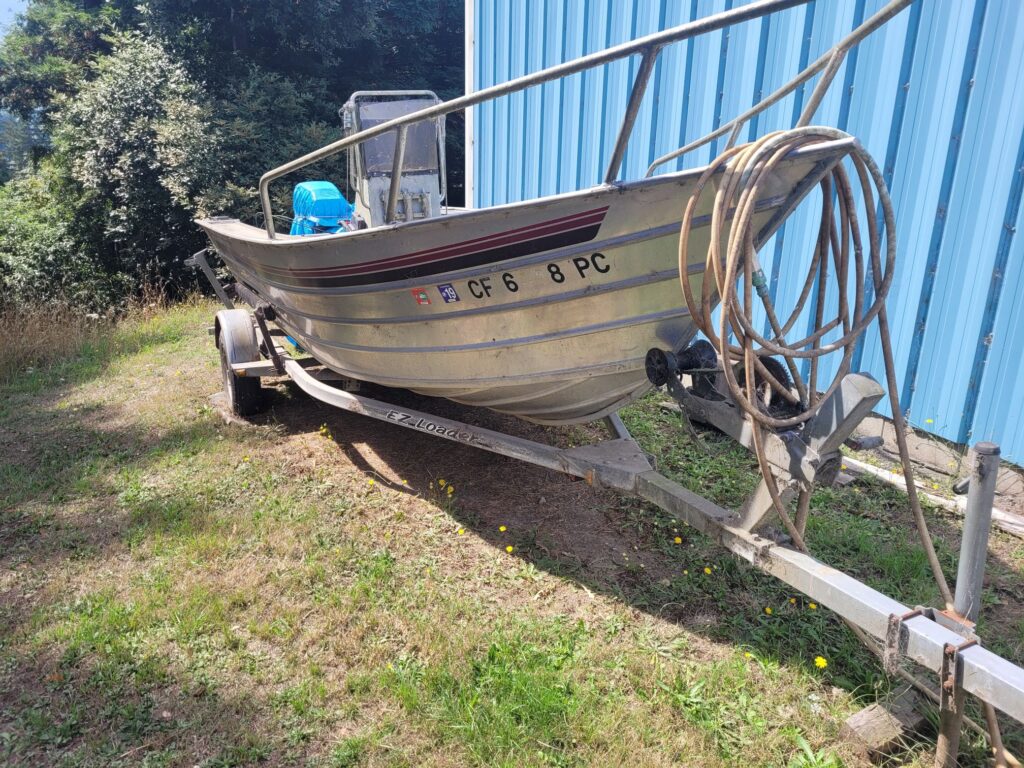
Old fishing boats
Fiberglass watercraft
Sailboats and larger recreational boats
Boats being transported for salvage
Vessels headed to dismantling facilities
End-of-life watercraft
Boats being removed from private property
Watercraft being relocated from storage or marina facilities
Every vessel has different transportation requirements. Size, weight, construction, location, accessibility, and overall condition can all influence how the move needs to be handled.
Boat Transportation as Part of Marine Salvage
Transportation is an important part of the salvage process.
A boat cannot be dismantled at a remote location if it cannot first be moved there. Likewise, an unwanted vessel sitting on private property may need to be hauled away before it can be processed for disposal.
This creates a natural connection between marine transportation and marine salvage.
Marine Salvage Yards provides hauling services designed around these types of situations. A vessel may be transported to a location where it can be inspected, dismantled, salvaged, or otherwise processed.
For the owner, this can eliminate one of the biggest obstacles associated with getting rid of a large boat: figuring out how to physically move it.
Moving Non-Operational Boats
A boat does not have to be capable of running to be transportable.
In fact, many of the vessels that need professional hauling are no longer operational. Their engines may have failed, electrical systems may be unusable, or years of neglect may have left the boat in no condition to travel under its own power.
An owner may still need to move the vessel from a marina, storage yard, residence, or commercial property.
Marine Salvage Yards focuses on transportation for watercraft that may require hauling rather than normal operation.
This is particularly useful when an owner does not want to spend thousands of dollars making an old vessel operational simply to move it to its next destination.
If the boat's final destination is salvage, dismantling, or disposal, repairing it solely for transportation may not be necessary.
Damaged Boat Transportation
Boat damage can make transportation considerably more complicated.
A collision, storm, grounding, flooding event, fire, or years of deterioration can leave a vessel unable to operate normally. Even when the hull appears intact, mechanical or structural problems can prevent the boat from being safely moved under its own power.
Damaged boats may need to be transported for inspection, salvage, dismantling, storage, or disposal.
Marine Salvage Yards helps connect the transportation side of the project with the vessel's overall salvage requirements.
The condition of the boat should be considered before the move is planned. A severely damaged vessel may require a different loading or hauling strategy than a boat that is still sitting securely on a functioning trailer.
Marina-to-Salvage Transportation
Boat owners sometimes reach the end of the road while their vessel is still sitting at a marina.
The boat may have accumulated storage charges, stopped being used, or developed mechanical and structural problems. If the owner decides to retire the vessel, it still has to leave the marina.
That is where transportation becomes part of the removal project.
Marine Salvage Yards can provide hauling solutions for boats that need to be moved from marina environments toward salvage, dismantling, or disposal.
Marina access can introduce additional considerations. The vessel's location, available loading area, marina policies, launch or lift requirements, and transportation equipment may all need to be considered before the boat is moved.
Planning the transportation around those conditions can help avoid unnecessary delays.
Transporting Boats to Dismantling Facilities
A vessel that has reached the end of its useful life may need to be transported to a location where it can be dismantled.
Dismantling a large boat involves much more than simply cutting up the hull. Engines, fuel systems, electronics, hardware, seating, mechanical components, trailers, and other equipment may need to be removed or separated.
Transportation gets the vessel to the location where that work can take place.
Marine Salvage Yards provides transportation as part of this larger end-of-life vessel process.
For an owner, the benefit is having a practical path from the boat's current location to the next stage rather than being left with a vessel that cannot easily be moved.
Fishing Vessel and Commercial Boat Hauling
Fishing boats and commercial watercraft can create unique transportation challenges.
These vessels may be larger, heavier, or equipped with additional systems compared with smaller recreational boats. Once a commercial vessel is retired, however, the owner still needs a way to move it.
Marine Salvage Yards can assist with transportation projects involving retired fishing boats and other commercial watercraft when hauling is required for salvage, dismantling, removal, or disposal.
The same principle applies whether the vessel has spent years working on the water or has simply become too expensive to operate.
Once the decision has been made to retire it, transportation becomes the bridge between the vessel's current location and its final destination.
Sailboat and Yacht Transportation
Larger recreational vessels can be especially difficult to relocate.
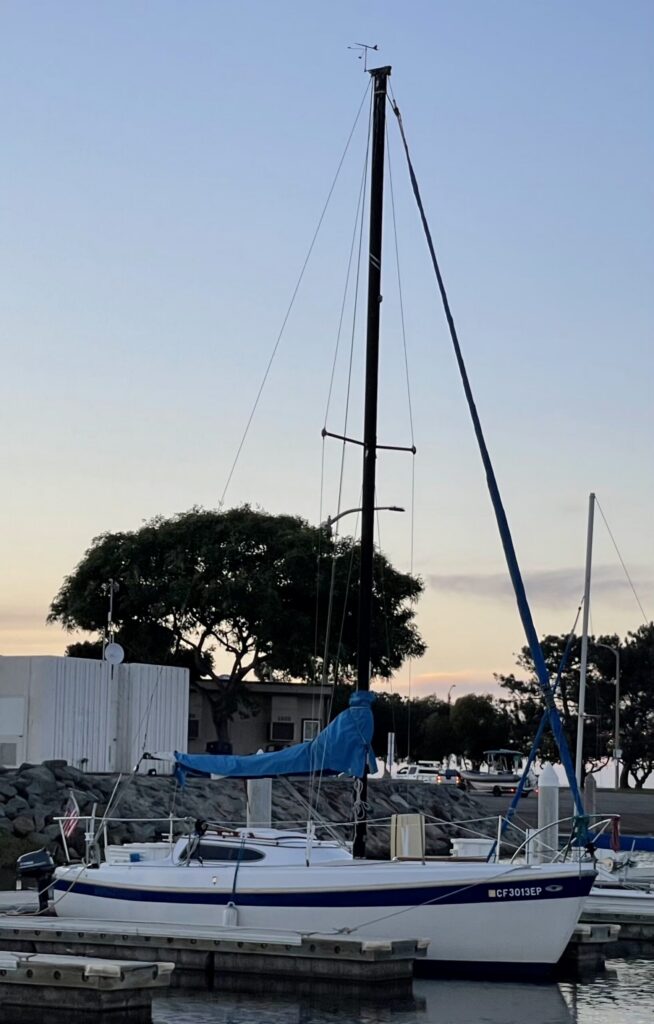
Sailboats may involve additional height and rigging considerations, while larger yachts and cruisers can require specialized transportation planning based on their dimensions and weight.
Marine Salvage Yards approaches these projects with the understanding that transportation requirements can vary dramatically between vessels.
A small recreational boat and a large sailboat should not automatically be treated as the same type of hauling project.
When the vessel is being moved for salvage, retirement, dismantling, or disposal, the transportation plan needs to account for the actual characteristics of the boat.
Boat Transportation From Private Property
Not every vessel waiting for salvage is sitting beside the water.
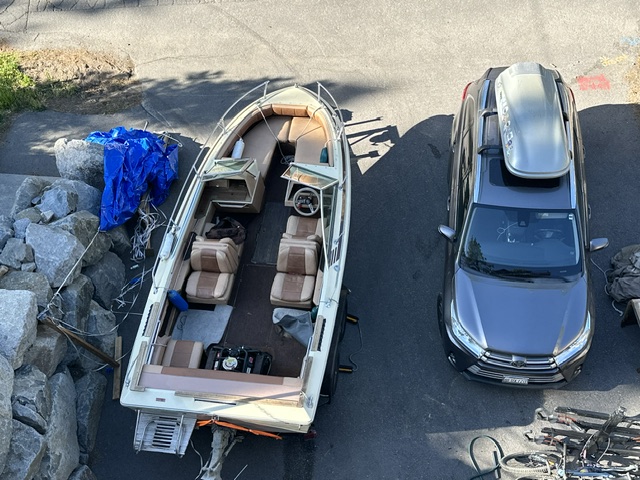
Some boats spend years on residential or commercial property, particularly when owners purchase a vessel with plans to restore it and eventually abandon the project.
A large boat on a trailer can occupy a significant portion of a driveway or side yard. If the trailer deteriorates along with the boat, moving the entire setup can become increasingly difficult.
Marine Salvage Yards provides hauling solutions for unwanted boats that need to leave private property.
This can be particularly helpful during property sales, estate cleanouts, construction projects, commercial redevelopment, or general property cleanup.
Instead of leaving the boat behind as someone else's problem, transportation can be arranged as part of the vessel's removal and disposal.
Transportation for End-of-Life Watercraft
The end of a boat's service life does not necessarily happen at the water.
Sometimes the vessel has already been stored for years. Sometimes a failed engine ends its usefulness. Other times, the owner simply decides that continued repairs and storage are no longer worthwhile.
Regardless of how the boat reaches that point, it eventually has to be moved.
Marine Salvage Yards combines vessel transportation with marine salvage, hauling, dismantling, and disposal services to provide a practical solution for owners dealing with end-of-life watercraft.
The goal is straightforward: move the boat from where it has become a problem to where it can be properly handled.
Oceanside Boat Hauling With a Salvage Focus
Oceanside's coastal location means boats can be found in a variety of settings, from harbor and marina environments to private storage locations and properties farther inland.
That means transportation needs can vary just as much as the vessels themselves.
Marine Salvage Yards provides a salvage-focused approach to boat transportation for owners who need to move an unwanted, damaged, retired, or non-operational vessel.
Whether the boat needs to be hauled toward dismantling, removed from a property, relocated from storage, or transported as part of a larger salvage project, professional transportation can make the process substantially easier.
If you have a vessel in Oceanside that needs to be moved because it is being salvaged, retired, dismantled, or disposed of, Marine Salvage Yards can help you take the next step.
Long-Distance Boat Transportation From Oceanside
Not every boat transportation project is a short trip across town. A vessel may need to travel considerably farther because it is being moved to another marina, transferred to a storage property, taken to a dismantling facility, or transported as part of a salvage project.
Long-distance hauling requires more planning than simply moving a boat around the corner. The vessel's dimensions, weight, trailer configuration, loading requirements, and final destination all need to be considered.
Marine Salvage Yards provides transportation solutions for boats that need to be moved as part of a larger salvage, removal, or disposal project. For owners preparing to retire a vessel, long-distance transportation can provide a practical way to get the boat from its current location to the facility or destination where the next stage of the project can take place.
Moving a Boat After a Sale
Selling a boat does not always mean the transportation problem disappears.
A buyer may purchase a vessel located in Oceanside while living somewhere else. The boat may also be non-operational or sitting without a usable trailer. In those situations, arranging transportation becomes an important part of completing the transaction.
Marine Salvage Yards can assist with hauling projects where a vessel needs to be relocated after a sale, particularly when the boat is being moved toward storage, another marina, a shipyard, salvage operation, or eventual dismantling.
This can be especially useful for older vessels that are difficult to move under their own power.
Rather than requiring the buyer or seller to figure out how to transport a large watercraft independently, professional hauling can become part of the overall relocation plan.
Transporting Boats That Cannot Be Launched
Some vessels are not sitting in a convenient location waiting to be loaded onto a trailer.
A boat may be stored on land without a functioning trailer, positioned on blocks, sitting in a yard, or located somewhere that makes conventional launching impractical.
If the vessel is also non-operational, getting it back into the water simply to move it may make little sense.
Marine Salvage Yards focuses on transportation situations where the boat's condition or location requires a hauling-based solution.
This is particularly relevant for vessels being transported for salvage or disposal. An owner does not necessarily need to restore an old boat to operational condition just to get it from one location to another.
Boat Transportation From Oceanside Harbor
Oceanside Harbor is an important point of reference for local boat owners, and vessels leaving the harbor can have many different destinations.
Some may be headed to another marina. Others may be going into storage. A damaged or retired vessel may need to be transported away for salvage or dismantling.
The transportation requirements can change depending on the vessel and the reason for the move.
Marine Salvage Yards provides hauling services connected to these types of projects, helping owners move unwanted or non-operational watercraft out of their current location.
Before transportation takes place, access and vessel condition are important considerations. A boat that can no longer operate normally may require a completely different approach than a functioning vessel being moved for recreational purposes.
Salvage Transportation for Damaged Vessels
When a boat has been seriously damaged, transportation can become one of the most important parts of the salvage process.
A collision, grounding, storm event, flooding, fire, or prolonged deterioration may leave a vessel unable to return to normal operation.
The owner may decide that repairs are not practical and that the boat should instead be salvaged, dismantled, or disposed of.
That decision still leaves one major question: how does the damaged vessel get where it needs to go?
Marine Salvage Yards provides transportation solutions connected to damaged-vessel removal and salvage projects. The hauling approach depends on the boat's condition, size, location, and accessibility.
For owners dealing with a severely damaged vessel, getting it transported away can be the first step toward finally resolving the situation.
Boat Hauling for Marina and Boatyard Projects
Marinas and boatyards can eventually encounter vessels that need to be moved because of abandonment, long-term storage, repairs that were never completed, ownership changes, or retirement.
An unwanted boat can occupy space that the facility needs for other customers.
Marine Salvage Yards can provide transportation as part of a broader vessel removal or salvage project. This allows the boat to be moved out of the marina or yard and toward its next destination.
For property managers and marine businesses, clearing a vessel can also help recover valuable working or storage space.
The transportation process may involve coordinating access and determining how the vessel can be loaded and moved without creating unnecessary complications for the surrounding property.
Moving Retired Fishing Boats
Fishing boats eventually reach the end of their working lives.
Years of use can take a toll on engines, hulls, electrical systems, decks, equipment, and other components. When an owner retires a fishing vessel, leaving it parked indefinitely is rarely a long-term solution.
A retired fishing boat may need to be transported for storage, dismantling, salvage, or disposal.
Marine Salvage Yards can assist with transportation projects involving older fishing vessels and other commercial watercraft.
The emphasis is on moving the vessel as part of its retirement process rather than returning it to active service.
This distinction allows transportation to remain connected to the larger purpose of marine salvage: determining how an unwanted vessel can be removed and handled once it has reached the end of its useful life.
Sailboat Transportation and Salvage Hauling
Sailboats can introduce additional considerations because of their overall dimensions and equipment.
Masts, rigging, keels, hull construction, and other features can affect how a vessel needs to be prepared before transportation.
For a sailboat being moved for salvage, dismantling, or disposal, the transportation plan may need to account for those characteristics before the vessel leaves its current location.
Marine Salvage Yards works with owners who need hauling connected to the retirement or removal of their vessels.
Whether the boat is being relocated to storage or transported toward its final disposal destination, understanding the vessel's dimensions and condition is an important part of the process.
Yacht and Large Recreational Vessel Hauling
Larger yachts, cruisers, and pleasure boats can create transportation challenges that smaller recreational vessels simply do not.
Size and weight can make ordinary boat-trailer transportation impractical. A vessel may also have been stored in one location for years, making its current condition another consideration.
Marine Salvage Yards provides transportation solutions for larger watercraft when hauling is required as part of salvage, removal, dismantling, or disposal.
The goal is not necessarily to make an old yacht operational again. In many cases, the purpose of transportation is to move a vessel that has already been retired and needs to reach its next stage.
Transporting Boats for Dismantling
Dismantling is often the destination for boats that have reached the end of their useful service life.
Before an old vessel can be dismantled, however, it has to get to the appropriate location.
Marine Salvage Yards connects the transportation and dismantling sides of the project.
Depending on the boat, dismantling can involve removing engines, trailers, electronics, hardware, fuel-system components, interior fixtures, mechanical equipment, and other parts. Once those components have been addressed, the remaining structure can be handled as part of the vessel disposal process.
Transportation is what gets the vessel from the owner's property, marina, storage yard, or other location to where that work can occur.
Boat Transportation for Property Cleanouts
Sometimes the boat is not the primary focus of a property project.
A homeowner may be clearing an estate. A contractor may be preparing a property for construction. A business may be removing equipment from a commercial location. A landlord may need to clear an abandoned vessel before a property can be reused.
In each situation, the boat can become an oversized obstacle.
Marine Salvage Yards provides hauling and removal services for these types of watercraft, allowing the vessel to be addressed alongside the larger property project.
Getting a boat transported off the property can open up space and allow other cleanup, construction, or redevelopment work to continue.
Southern California Vessel Transportation
Oceanside sits within a large Southern California coastal region where boats regularly move between marinas, storage facilities, private properties, shipyards, and other marine locations.
Marine Salvage Yards can assist customers looking for vessel transportation connected to salvage and removal projects in Oceanside and nearby communities.
Transportation needs may extend beyond the immediate harbor area depending on the vessel and destination.
The exact requirements of each project depend on the boat's size, weight, condition, location, and intended destination. Providing accurate information about the vessel can help establish what will be required before hauling begins.
What Information Is Needed to Arrange Boat Transportation?
A transportation project starts with understanding the vessel.
Useful information can include:
Boat type
Overall length
Approximate weight
Beam and height
Current location
Trailer availability
Trailer condition
Whether the boat is operational
Hull construction
Current vessel condition
Photos of the boat
Desired destination
This information helps determine the type of transportation project involved.
A small trailerable boat being moved a short distance is very different from a large non-operational vessel being transported for dismantling.
Marine Salvage Yards can use those details to better understand the scope of the hauling job.
Marine Transportation With a Salvage Purpose
The biggest difference between ordinary boat transportation and the services provided by Marine Salvage Yards is the purpose behind the move.
We're not simply focused on moving recreational boats from one vacation destination to another.
Our transportation services are closely connected to marine salvage, vessel removal, dismantling, scrapping, and disposal.
That makes the service particularly relevant when a boat is damaged, abandoned, retired, non-operational, or simply no longer wanted.
If your Oceanside vessel needs to be transported because it is being salvaged, dismantled, removed, or retired, Marine Salvage Yards can help move the project forward.
Get Your Vessel Moving
A boat that cannot move on its own can quickly become a permanent problem.
Whether it is sitting at Oceanside Harbor, occupying private property, taking up space at a storage facility, or waiting for its final trip to a salvage or dismantling location, transportation is often the key to resolving the situation.
If you have an unwanted or non-operational vessel in Oceanside that needs to be moved, contact Marine Salvage Yards with the boat's location, condition, size, and transportation requirements to begin planning the next step.