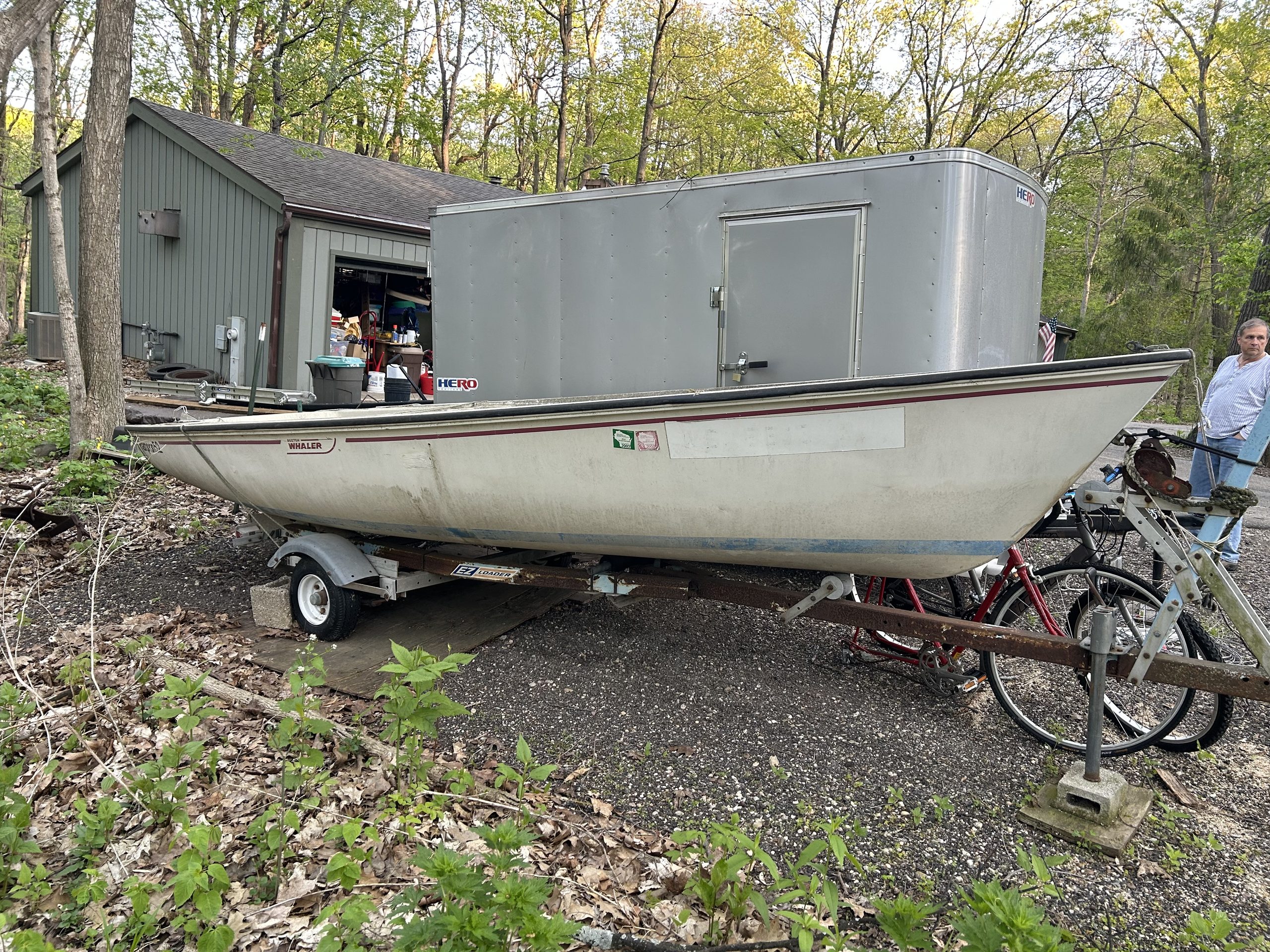
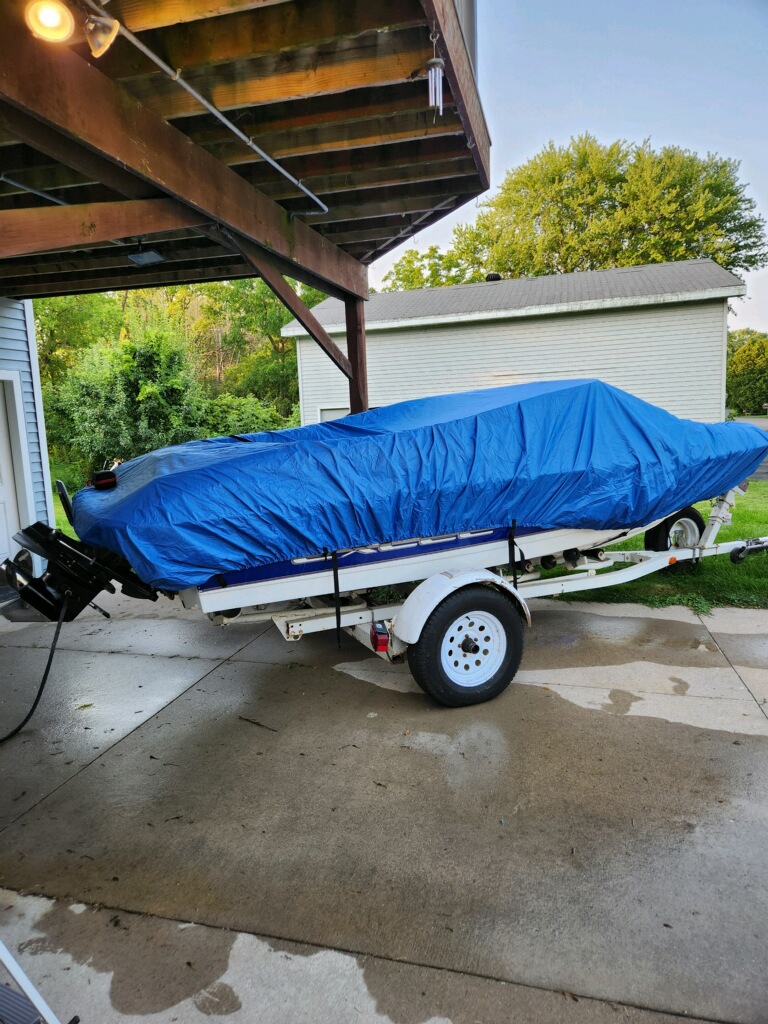
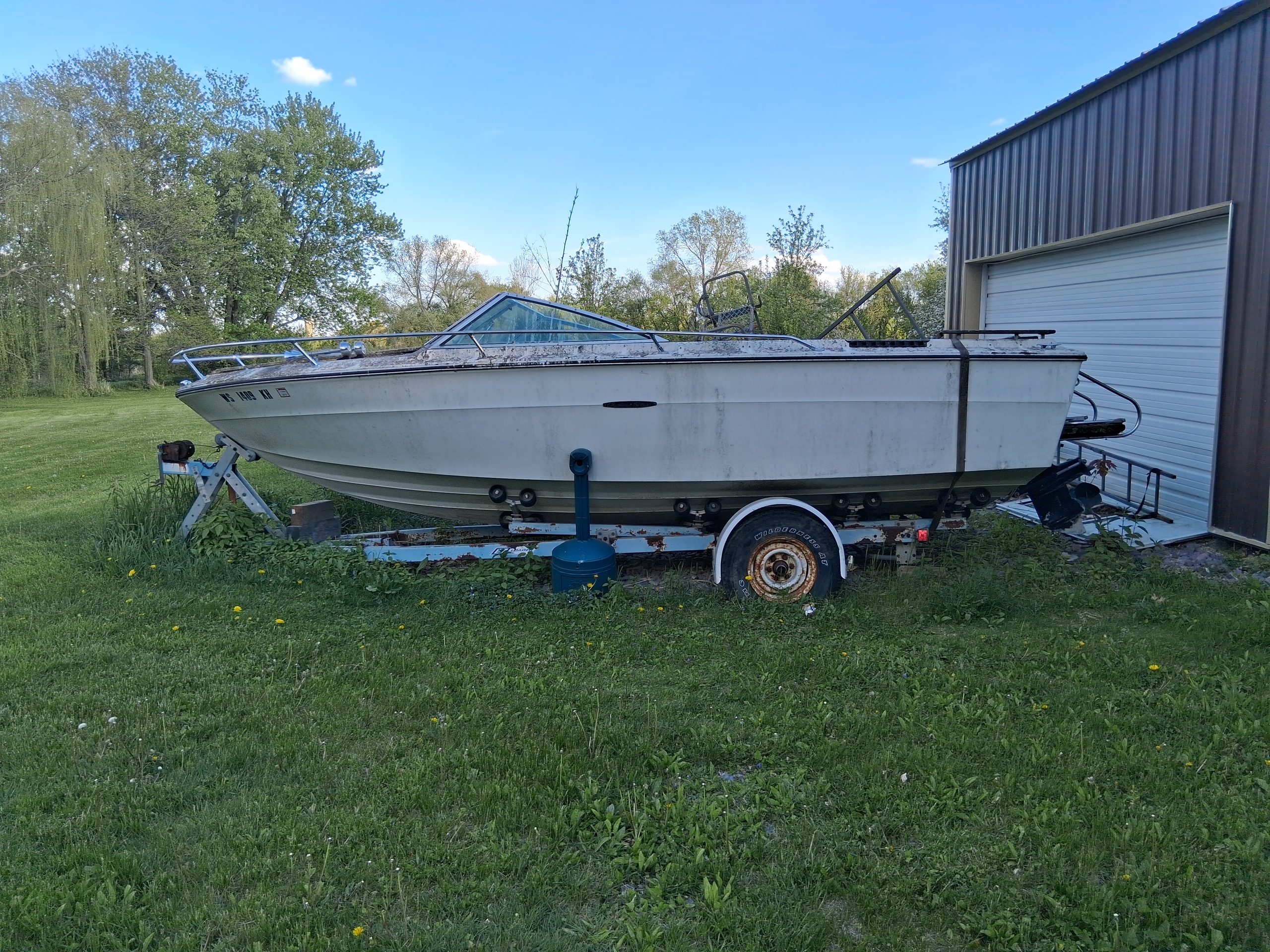
Racine, Wisconsin, has a strong connection to Lake Michigan, recreational boating, fishing, and waterfront activities. For local boat owners, however, an aging vessel can eventually become more of a burden than an asset. Engines fail, hulls deteriorate, trailers become unusable, and repair bills can make keeping an older boat impractical. When that happens, Marine Salvage Yards helps owners explore options for removing unwanted watercraft and arranging appropriate disposal.
Whether a boat is sitting in a residential driveway, occupying space in a storage lot, or waiting beside a waterfront property, getting rid of it may require more than an ordinary towing service. Boats can be oversized, difficult to maneuver, and too deteriorated for conventional transportation. The right removal plan depends on the vessel’s dimensions, construction, condition, and accessibility.
Racine’s location along Lake Michigan makes boating a familiar part of the area, but vessels exposed to seasonal weather and moisture can gradually develop costly problems. A recreational boat that once served its owner well may eventually sit unused for years. Rather than allowing an unwanted vessel to continue taking up valuable space, owners can investigate boat hauling, boat scrapping, and marine disposal solutions suited to their circumstances.
Boat Removal Solutions for Racine Property Owners
An unwanted boat can create practical challenges for homeowners, landlords, storage operators, and commercial property managers. Even a relatively small vessel can occupy substantial space when it is parked on a trailer. Larger boats may block driveways, interfere with property maintenance, or prevent owners from using storage areas for other equipment.
Removal can become more complicated when the boat no longer runs or has structural damage. A seized engine, deteriorated trailer, damaged hull, or missing tires may make ordinary towing unsuitable. Some vessels can be moved using existing equipment, while others require specialized loading and transportation arrangements.
Marine Salvage Yards helps owners explore possible next steps for different types of unwanted watercraft, including:
Older fishing boats that are no longer dependable
Fiberglass boats with cracked or deteriorated hulls
Aluminum fishing vessels that have reached the end of their useful life
Recreational powerboats with expensive mechanical problems
Cabin cruisers that are no longer worth restoring
Sailboats that have become difficult to maintain
Boats stored on damaged or unusable trailers
Abandoned vessels occupying residential or commercial property
The condition and location of each boat influence the removal process. Providing accurate information about its size, weight, trailer, and access conditions helps establish what may be required before transportation can be arranged.
Lake Michigan Weather and Long-Term Boat Deterioration
Boats kept near Lake Michigan can experience a combination of moisture, seasonal temperature changes, wind, and extended periods of outdoor exposure. Over time, these conditions can contribute to deteriorating hull surfaces, corroded hardware, aging electrical systems, and mechanical problems. When routine maintenance stops, minor issues can gradually turn into larger repairs.
A vessel that remains unused through several seasons may develop additional problems even if it is stored on land. Water can accumulate in damaged areas, protective finishes can break down, and trailer components may become unreliable. An owner who originally planned to repair the boat may eventually discover that restoration costs exceed the vessel’s practical value.
For Racine residents, addressing an unwanted boat before its condition worsens can simplify the removal process. A deteriorating vessel may be harder to load safely, particularly when the hull or supporting trailer is no longer stable. Early planning also helps owners determine whether hauling, salvage, or another disposal method makes the most sense.
Marine Salvage Yards helps boat owners explore available solutions based on the vessel’s circumstances. The best approach depends on its construction, size, condition, and the practical requirements for transporting it from the property.
Boat Scrapping When Restoration Is Too Expensive
Not every boat deserves another major repair. Engine replacement, hull restoration, electrical work, and structural repairs can add up quickly, especially when an older vessel has several problems at once. Even after the initial work is finished, ongoing maintenance and storage expenses may make continued ownership difficult to justify.
Boat scrapping may be worth considering when a vessel is no longer economical to restore. Depending on the boat’s materials and condition, certain metal components or other recoverable parts may be suitable for salvage. However, not all components can be recovered, and a boat’s age or size does not automatically give it monetary value.
Fiberglass vessels can be particularly challenging because their hulls require different handling from conventional scrap metal. Boats containing mixed materials, deteriorated interiors, damaged mechanical systems, or potentially hazardous substances may need additional consideration before disposal.
Removal costs can also affect the decision. Transportation, labor, equipment requirements, access limitations, and disposal fees may all influence the final arrangement. Owners should ask for clear information about the proposed service and any charges before authorizing work.
For boat owners in Racine, the practical objective is to find a suitable way to clear an unwanted vessel without spending money on repairs that are unlikely to provide lasting value.
Removing Fiberglass Boats, Fishing Boats, and Cabin Cruisers
Different types of watercraft create different transportation and disposal requirements. A small aluminum fishing boat may be relatively straightforward to move if its trailer remains usable. A large fiberglass cruiser with a deteriorated hull can require substantially more planning.
Fiberglass boats are common among recreational boaters, but damaged hulls can be difficult to handle because the material cannot simply be treated as ordinary metal scrap. Their dimensions, structural condition, and remaining equipment influence the appropriate removal arrangement.
Fishing boats may have aging outboard motors, damaged transoms, worn seats, or deteriorated wiring. Aluminum models may contain recoverable metal, although the condition of the vessel and the work required to prepare it for transportation will affect the overall economics.
Cabin cruisers and larger powerboats often present additional challenges because of their weight, interior components, and onboard systems. Before transportation, owners should disclose known problems involving fuel, batteries, fluids, or structural instability.
When requesting a removal assessment, provide the boat’s approximate length, material, engine condition, trailer status, and current location. Photographs of the hull and pickup area can help clarify the job. Accurate details make it easier to determine whether conventional hauling is sufficient or whether specialized equipment may be necessary.
Boat Hauling for Non-Running and Abandoned Vessels
A boat does not need to start or operate to be considered for removal. Many unwanted vessels have engines that no longer turn over, steering systems that have failed, or trailers that cannot safely support the boat on the road.
In these situations, the removal plan must account for more than distance. The provider may need to evaluate how the vessel can be accessed, lifted, loaded, and transported without creating additional damage or safety concerns.
Boats left unused for years can also raise ownership questions. A vessel may have been inherited, left behind by a former tenant, or abandoned by a previous owner. Property owners should establish their legal authority to dispose of the boat and follow applicable requirements before arranging removal.
For difficult pickups, share details about gates, narrow driveways, overhead obstructions, uneven ground, and other access limitations. If the trailer is damaged or the hull appears unstable, do not attempt to move it using unsuitable equipment.
A clear assessment helps identify the appropriate next step and reduces the chance of delays on the scheduled pickup day.
Boat Disposal for Residential and Commercial Properties
An unwanted boat can prevent a property from being used as intended. Homeowners may need to clear a driveway or yard, while landlords and property managers may be dealing with vessels left behind after a tenancy ends. Storage facilities and marine-related businesses may also need to remove boats that occupy space without generating income.
In Racine, arranging removal can be part of a larger property cleanup, renovation, sale, or storage reorganization. The boat may be only one item among several pieces of unwanted recreational equipment, but its size can make it one of the most difficult to relocate.
Owners should consider whether the boat can be reached by the necessary hauling equipment and whether other vehicles or stored items need to be moved before pickup. If several vessels need removal from one property, describe the full project when requesting an assessment.
Marine Salvage Yards helps connect owners with options for unwanted watercraft, including removal and disposal arrangements based on the boat’s characteristics. Confirm the scope of service, expected costs, transportation arrangements, and any documentation requirements before proceeding.
Responsible Disposal Near Racine’s Waterfront
Removing an unwanted vessel responsibly involves considering what remains inside and attached to the boat. Fuel, engine oil, batteries, coolants, and other materials may require special handling. A damaged hull can also contain standing water, loose debris, or deteriorated components that need attention before transportation.
Boat owners should never abandon a vessel on a shoreline, in an unauthorized lot, or near a waterway. Improper disposal can create environmental problems and leave property owners facing additional cleanup or legal complications.
The appropriate disposal pathway depends on the vessel’s condition and materials. Some metal components may be recoverable, while fiberglass, mixed materials, and contaminated parts may require different handling. Owners should disclose known leaks or hazardous conditions and ask which preparation steps are necessary before pickup.
Near Lake Michigan, taking care with unwanted watercraft is especially important because improperly managed materials can potentially reach the surrounding environment. Planning removal and disposal in advance helps owners address their boat-related problems without creating a new one.
How the Boat Removal Process Works
Although every vessel is different, the removal process generally follows a few basic steps.
1. Provide the boat’s details. Share its approximate size, construction material, location, and general condition. Explain whether it runs and whether a usable trailer is available.
2. Send photographs. Images of the hull, trailer, engine area, and pickup location can help clarify the work involved. Mention any unusual access restrictions.
3. Review the proposed arrangement. Discuss hauling requirements, pricing, scheduling, disposal responsibilities, and whether additional preparation or inspection is needed.
4. Prepare the area. Where practical, clear loose objects around the boat and provide access to the pickup location. Avoid attempting to move an unstable vessel without suitable equipment.
5. Confirm documentation. Keep relevant receipts and records. Follow applicable Wisconsin requirements for vessel ownership, registration, and disposal, as appropriate to your circumstances.
Providing complete information at the beginning helps establish realistic expectations and makes it easier to plan the removal.
Serving Racine and Nearby Southeastern Wisconsin Communities
Racine is part of a wider Lake Michigan region where boat owners may need help with aging fishing vessels, unwanted recreational boats, and watercraft that have become difficult to maintain. Removal inquiries may also come from nearby communities such as Mount Pleasant, Sturtevant, Caledonia, and Kenosha.
Service availability depends on the exact pickup location, boat dimensions, transportation requirements, and the arrangements offered for the individual job. Owners should provide the actual location rather than assuming every nearby community has identical coverage or pricing.
For property managers and businesses, it may be useful to explain whether the request involves one boat or several vessels. Multiple-boat projects can require a different approach from a single residential pickup, particularly when the boats vary in size or are stored in different areas.
Frequently Asked Questions About Boat Removal in Racine
Can you remove a boat that no longer runs?
An inoperable boat may still be eligible for removal. The method depends on its size, condition, location, and whether it can be safely loaded and transported.
What if the boat is made of fiberglass?
Fiberglass boats can be considered for removal, but disposal options depend on the hull’s condition, size, and available handling facilities. Fiberglass is not processed in the same way as ordinary scrap metal.
Does an unwanted boat have to be on a trailer?
No. A boat without a usable trailer may still be removable, but specialized loading or transportation arrangements may be necessary. Provide details about how the vessel is supported and where it is located.
Will I get paid for a boat that is being scrapped?
Payment is not guaranteed. Recoverable materials, vessel condition, labor, hauling expenses, and disposal costs all affect whether a boat has positive salvage value.
What information should I provide before scheduling?
Share the boat’s approximate length, construction type, engine condition, trailer status, location, and photographs. Disclose known hazards and any ownership or paperwork concerns.
Can an abandoned boat be removed from private property?
Possibly, but the person authorizing removal should first confirm legal authority to dispose of the vessel. If ownership is disputed or unclear, resolve the issue through the appropriate procedures before proceeding.
Contact Marine Salvage Yards About Racine Boat Disposal
An aging boat can remain a storage problem long after its last trip on the water. Whether you have a damaged fishing boat, an unwanted fiberglass vessel, an older cruiser, or a non-running boat that has been sitting on a trailer, exploring removal options can help you determine the next step.
Marine Salvage Yards helps boat owners explore boat removal, hauling, scrapping, and disposal solutions based on the vessel’s condition and location. Sharing accurate details about the boat makes it easier to assess the work involved and discuss appropriate arrangements.
If an unwanted boat is taking up space on your Racine property, start by documenting its condition, checking available ownership records, and gathering photographs. With a clear understanding of the situation, you can work toward removing the vessel and reclaiming the space it occupies.