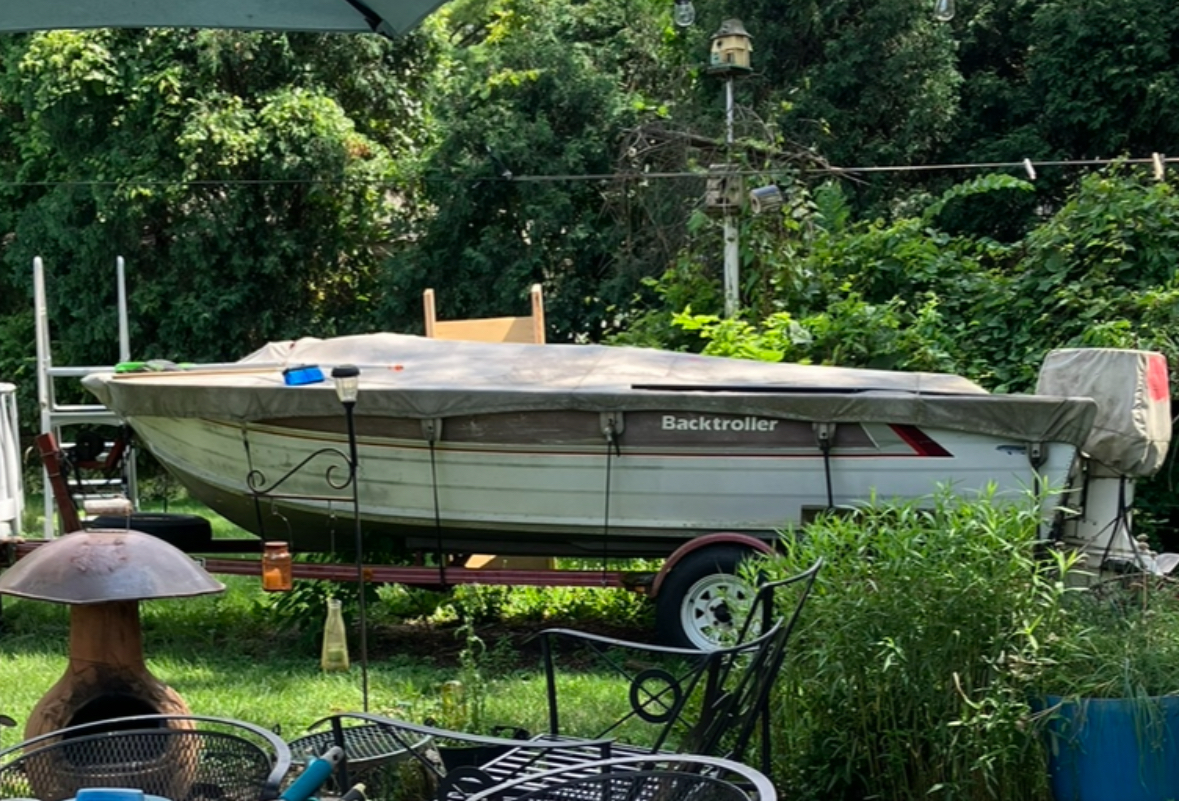
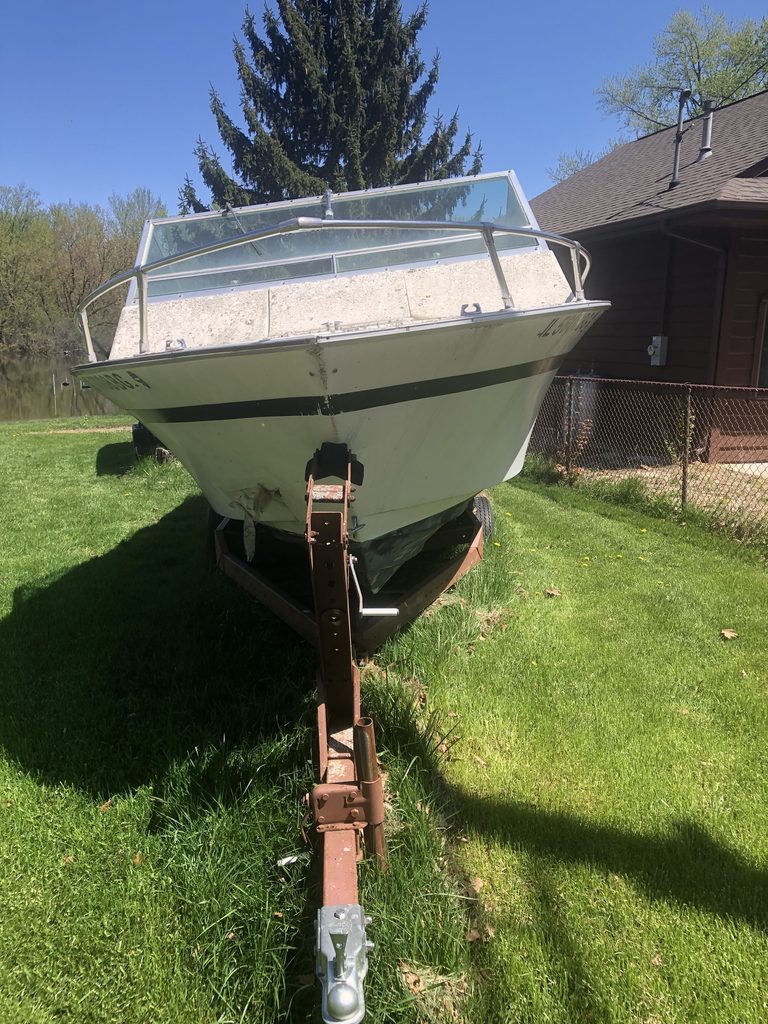
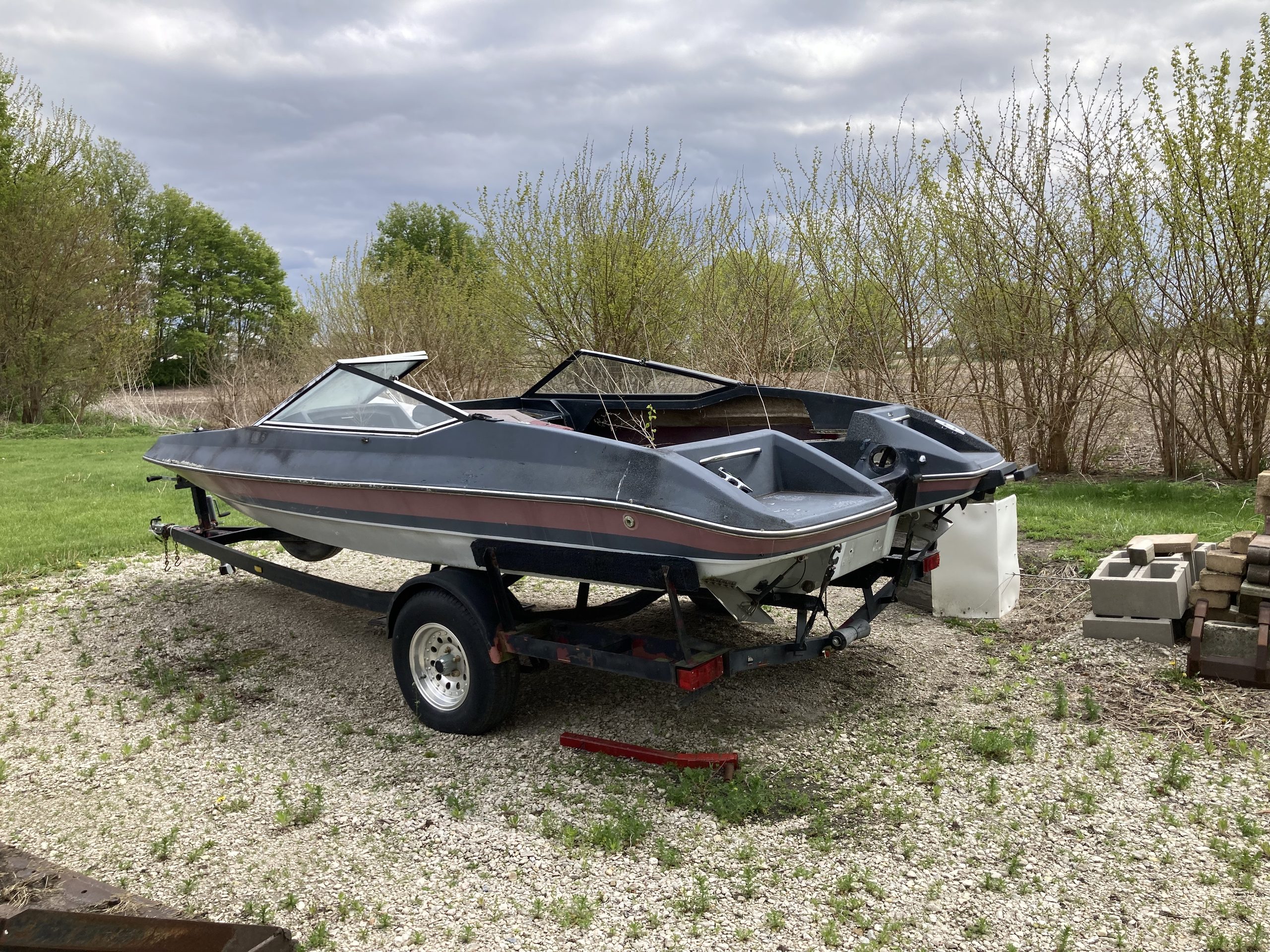
Waukegan, Illinois, is closely connected to Lake Michigan, recreational boating, fishing, and waterfront activity. For local boat owners, however, an aging or damaged vessel can eventually become an expensive storage problem. Engines stop working, hulls deteriorate, trailers become unreliable, and repairs may cost more than the boat is worth. Marine Salvage Yards helps owners explore practical options for removing unwanted watercraft and arranging appropriate disposal.
Whether a boat is parked in a residential driveway, stored on private land, sitting at a commercial facility, or no longer suitable for use on the water, removing it can require specialized transportation. Boats are often too large for ordinary hauling services, and vessels that have been neglected for years may have structural damage or equipment failures that complicate the job.
Waukegan’s location near Lake Michigan makes seasonal exposure an important consideration for boat owners. Moisture, temperature changes, and prolonged outdoor storage can contribute to wear that becomes increasingly expensive to address. When restoration is no longer practical, boat removal, hauling, and scrapping may offer a way to clear valuable space and move forward.
Getting Rid of an Unwanted Boat in Waukegan
An unused boat can occupy a driveway, fill a storage area, or remain on a property long after its owner has stopped using it. What begins as a temporary storage decision can turn into a long-term inconvenience when the vessel becomes difficult to move or repair.
Boat removal involves more than simply attaching a trailer and driving away. The vessel’s size, weight, hull condition, and accessibility all influence the transportation plan. A small fishing boat may be relatively straightforward to relocate, while a large cruiser or a boat resting on a deteriorated trailer can require additional equipment and preparation.
Marine Salvage Yards helps owners explore options for different types of unwanted watercraft, including:
Old fishing boats with failing engines
Fiberglass vessels with cracked or weathered hulls
Aluminum boats that are damaged or no longer needed
Recreational powerboats with expensive mechanical problems
Cabin cruisers that are no longer economical to restore
Sailboats that have become difficult to maintain
Boats stored on damaged trailers or unstable supports
Abandoned vessels occupying residential or commercial property
The best approach depends on the specific boat and the conditions at the pickup location. Providing accurate information early helps establish what transportation arrangements may be needed.
Lake Michigan Exposure and Aging Boat Hulls
Boats stored near Lake Michigan can experience years of seasonal weather changes, moisture, and outdoor exposure. Over time, these conditions may contribute to corrosion, worn finishes, damaged fittings, and deterioration in hulls or mechanical systems. When regular maintenance is neglected, smaller problems can develop into expensive repairs.
A vessel that sits unused for several seasons may also develop problems with its trailer, tires, wiring, steering, or engine. Even if the boat remains on private property, its condition can gradually make it more difficult to transport. Owners who initially intended to restore an older vessel may eventually decide that removal is more practical than continuing to invest in it.
For Waukegan property owners, arranging removal before a boat becomes severely deteriorated may simplify the work involved. A damaged hull or unstable trailer can create additional loading concerns, particularly when access to the vessel is limited.
Marine Salvage Yards helps owners explore removal options based on the boat’s size, materials, condition, and location. A realistic assessment can help determine whether hauling, scrapping, or another disposal arrangement is appropriate.
Boat Scrapping When Repairs Are No Longer Worthwhile
Boat ownership can become expensive when a vessel needs extensive mechanical or structural work. Engine replacement, electrical repairs, hull restoration, and interior reconstruction can add up quickly. If several major systems have failed at once, the total repair bill may exceed the boat’s current value.
Boat scrapping can be an alternative when restoring a vessel is no longer economically sensible. Depending on its construction and condition, some components may be suitable for material recovery or salvage. Metal hardware, certain mechanical parts, and other components may have potential value, although that depends on the actual condition and the cost of removing and processing them.
Fiberglass boats require different disposal considerations from aluminum or steel vessels. A damaged fiberglass hull is not equivalent to ordinary scrap metal, and its size and condition can affect available disposal options. Boats with mixed materials, deteriorated interiors, or potentially hazardous contents may require additional handling.
Owners should not assume that every unwanted boat qualifies for payment. Transportation, labor, loading equipment, disposal charges, and access restrictions can all affect the final cost. Requesting an assessment before committing to a service helps establish realistic expectations.
For Waukegan boat owners, the goal is to identify a practical way to remove a vessel that no longer serves a purpose without spending unnecessarily on repairs that may not restore its usefulness.
Removing Fiberglass Boats, Aluminum Fishing Boats, and Cruisers
The type of boat being removed influences how the job must be handled. Small aluminum fishing boats may be relatively easy to transport when they are accessible and supported by a suitable trailer. Larger vessels, severely damaged hulls, and boats with missing or unusable trailers can require more planning.
Fiberglass boats are widely used for recreational boating, but a cracked or deteriorated hull may be difficult to dispose of through ordinary waste services. The boat’s dimensions, remaining equipment, and structural stability all influence the removal plan.
Aluminum fishing boats may contain material that can potentially be recovered, but a damaged transom, bent hull, or deteriorated trailer can complicate transportation. The value of recoverable material also depends on the vessel’s condition and the work needed to prepare it.
Cabin cruisers and larger powerboats introduce additional considerations because of their weight, onboard equipment, and internal systems. Owners should disclose known problems involving fuel, batteries, oils, or other potentially hazardous materials before arranging a pickup.
When requesting an assessment, provide the approximate boat length, construction material, engine status, trailer condition, and pickup location. Photographs showing the hull, trailer, and surrounding area can help clarify the job. Accurate details make it easier to determine whether standard hauling or specialized equipment may be needed.
Boat Hauling for Non-Running and Difficult-to-Move Vessels
A boat does not have to be operational to be considered for removal. Many unwanted vessels have seized engines, failed steering systems, deteriorated tires, or trailers that are no longer suitable for road travel.
In these cases, transportation requires an assessment of how the vessel can be loaded and moved safely. A small boat on a usable trailer presents a different challenge from a heavy cruiser sitting on unstable supports or positioned behind a building.
Boats that have been abandoned can also create ownership complications. A property owner may have inherited a vessel, acquired a property with an unwanted boat already present, or discovered watercraft left behind by a former tenant. Before authorizing disposal, confirm that you have the legal authority to arrange its removal and follow applicable Illinois requirements.
Access conditions matter as well. Narrow driveways, fences, overhead wires, uneven ground, and limited turning space can affect which equipment can reach the vessel. Sharing these details before scheduling helps avoid preventable delays.
If a boat appears unstable or its trailer is badly deteriorated, avoid attempting to tow it with unsuitable equipment. A suitable removal plan should account for the condition of the entire setup, not just whether the boat itself is movable.
Clearing Boats From Residential, Storage, and Commercial Properties
An unwanted vessel can take up valuable space on a residential or commercial property. Homeowners may want to reclaim a driveway or yard, landlords may need to clear property after a tenancy ends, and storage operators may be dealing with boats that have remained unused for years.
For Waukegan property owners, boat removal can be part of a larger cleanup, renovation, property sale, or storage reorganization. The vessel may no longer be used, yet its size can make it one of the most difficult items to relocate.
Before arranging a pickup, consider whether the boat is accessible to hauling equipment and whether other stored items or vehicles need to be moved. If the vessel is located inside a fenced area or behind a building, explain those restrictions when requesting service.
Commercial property managers handling multiple boats should describe the number of vessels involved and whether they are grouped in one location. A project involving several different boats may require a different transportation plan from a single residential pickup.
Marine Salvage Yards helps owners explore options for unwanted watercraft, including hauling, scrapping, and disposal arrangements suited to individual circumstances. Confirm the proposed work, pricing, scheduling, and documentation requirements before authorizing removal.
Responsible Boat Disposal in the Waukegan Area
Proper boat disposal requires attention to materials and equipment that may remain inside the vessel. Fuel, engine oil, batteries, coolants, and other substances may need appropriate handling before transportation or disposal. Damaged boats may also contain standing water, loose debris, or deteriorated components.
Abandoning a vessel near Lake Michigan, leaving it at an unauthorized location, or allowing it to deteriorate beside a waterway can create environmental and property concerns. Owners should arrange an appropriate disposal route instead of treating an unwanted boat as ordinary household waste.
The suitable process depends on the boat’s construction, condition, and contents. Some metal components may be recoverable, while fiberglass hulls and mixed materials may require different disposal arrangements. Owners should disclose known leaks, contamination, or other hazards and ask what preparation is required.
Planning ahead helps reduce the chance of unexpected problems during removal. It also gives owners a clearer understanding of which parts of the process are included in the service and which responsibilities remain with them.
What to Expect When Arranging Boat Removal
Although each vessel presents different challenges, the process generally follows a few straightforward stages.
1. Describe the vessel. Provide the approximate length, boat type, construction material, and general condition. Explain whether it runs and whether it has a usable trailer.
2. Send photographs. Images of the hull, trailer, engine area, and pickup location can help clarify the scope of work. Mention any access restrictions or visible damage.
3. Review the removal plan. Discuss the proposed hauling method, price, scheduling, disposal arrangements, and whether additional preparation is necessary.
4. Prepare the pickup area. Where practical, clear loose objects around the boat and make the access route available. Do not attempt to move an unstable vessel without appropriate equipment.
5. Confirm the paperwork. Keep relevant receipts and records, and follow applicable Illinois requirements for vessel ownership, registration, and disposal.
Providing complete information from the beginning can make the process easier to coordinate and help reduce avoidable delays.
Nearby Communities Around Waukegan
Waukegan is part of the broader Lake County area, where boat owners may need help with aging fishing boats, unwanted recreational vessels, and watercraft that have become difficult to maintain. Removal inquiries may also come from nearby communities such as North Chicago, Gurnee, Zion, and Lake Forest.
Availability depends on the exact pickup location, vessel dimensions, access conditions, and transportation requirements. Owners should provide the actual address when requesting an assessment rather than assuming every surrounding community has identical coverage or pricing.
For property managers and businesses, it may be helpful to explain whether the request involves one vessel or several boats. Multiple-vessel projects can require additional coordination, particularly when the boats vary in size or are stored in different locations.
Frequently Asked Questions About Waukegan Boat Removal
Can a non-running boat be removed?
An inoperable boat may still qualify for removal. The appropriate method depends on its size, condition, location, and whether suitable loading and transportation equipment can access it.
Can an old fiberglass boat be scrapped?
Fiberglass boats may be eligible for removal, but disposal options differ from those for conventional metal scrap. The hull’s size, condition, and available handling facilities influence the process.
What if my boat does not have a usable trailer?
A vessel without a functional trailer may still be removable, but additional loading or transportation arrangements could be required. Provide details about how the boat is supported and where it is located.
Will I receive money for my unwanted boat?
Payment is not guaranteed. Recoverable materials, vessel condition, labor, hauling costs, and disposal expenses all influence whether a boat has positive salvage value.
What should I prepare before scheduling a pickup?
Gather available ownership documents, take photographs, describe the boat’s condition, and disclose known hazards. Confirm the access route and ask whether the provider requires any additional preparation.
Can I remove a boat left behind on my property?
Possibly, but you should first confirm your legal authority to dispose of it. If ownership is uncertain or disputed, follow the appropriate Illinois procedures before arranging removal.
Contact Marine Salvage Yards About Boat Disposal in Waukegan
An unwanted boat can remain a storage problem long after its final trip on the water. Whether you have an old fishing boat, a damaged fiberglass vessel, a deteriorated cruiser, or a non-running boat that cannot be moved on its existing trailer, exploring removal options is a practical first step.
Marine Salvage Yards helps boat owners explore boat removal, hauling, scrapping, and disposal solutions based on the vessel’s condition and location. Providing accurate details makes it easier to evaluate the work involved and discuss an appropriate arrangement.
If a boat is taking up valuable space on your Waukegan property, begin by documenting its condition, gathering photographs, and checking the available ownership paperwork. A clear assessment can help you determine the next step toward removing the vessel and reclaiming the space.